Why Cryptogram works: America's love of word puzzle games
Cryptogram climbed the US free charts by building on America's love of word puzzle games, a habit that goes back to a 1913 newspaper crossword.

In this article4 sections
Over the past few months, a word game has come out of nowhere to climb the free charts: Cryptogram Letters and Numbers. Since its August launch, its downloads have grown at a startling pace. We took a close look at it, and once you set aside outside factors like how it makes money and how it was promoted, it’s easy to see that the core gameplay is what made it a hit. What few people realize is what sits behind that gameplay: America’s obsession with word puzzle games, the real root of its success.
Gameplay borrowed from everyday life
The way Cryptogram plays isn’t complicated. Here’s what the screen looks like:
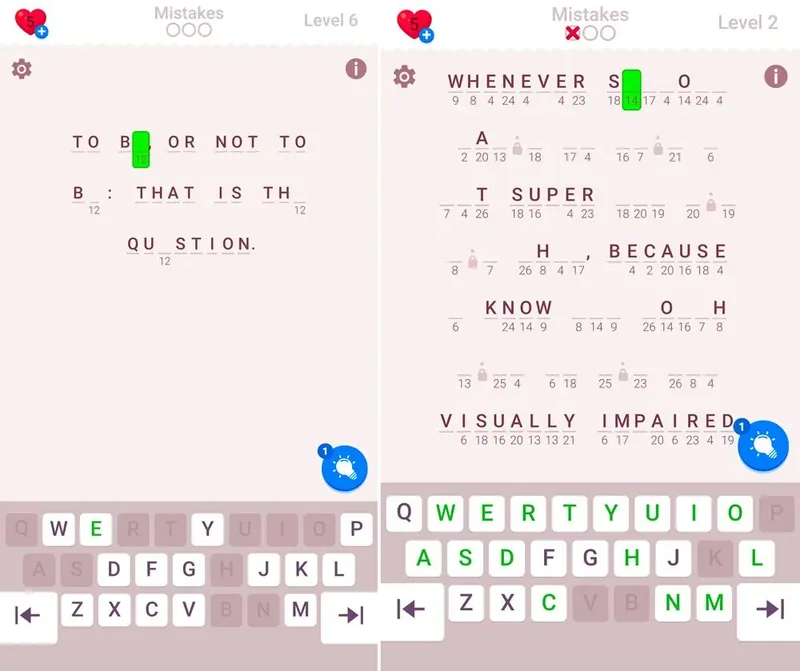
Here’s how it works:
- The game gives you a passage of text, such as a proverb or a famous quote. Some letters in some of its words are blank and replaced by numbers, and your goal is to fill in every blank and complete the passage.
- Every letter has a number, and each letter matches exactly one number. So once you work out one pairing, you can fill in every other blank with that same letter right away.
- You work out the blanks from the meaning of the passage and the words around them. Each level allows three mistakes; fail, and the only options are to watch an ad or start over.
The gameplay is a small twist on another game, Figgerits - Word Puzzle Game. But both games actually take the cryptogram puzzle people already solve in real life and refine and adapt it. Here is what the real-life version looks like:
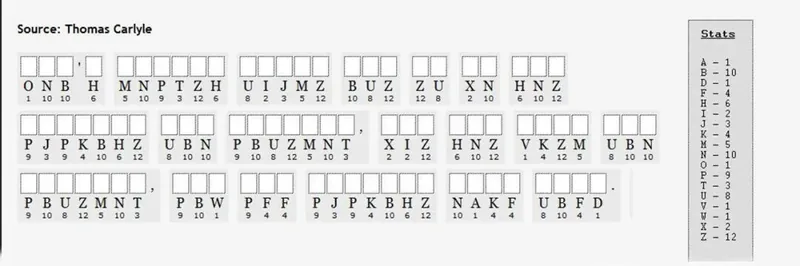
So the game’s path to success went like this: take a word puzzle already proven in real life, combine it with what works on mobile and what a free game needs to make money, keep polishing the experience, and end up with a hit. That raises a question: why are Americans so hooked on word games?
A nation hooked on word games
1. Crosswords got their start in newspapers.
American word game culture goes back to 1913, when Arthur Wynne, an immigrant to the US, came up with the first crossword puzzle to fill an empty space in the Christmas edition of the New York World newspaper. It went on to become the most popular newspaper feature during the First World War.
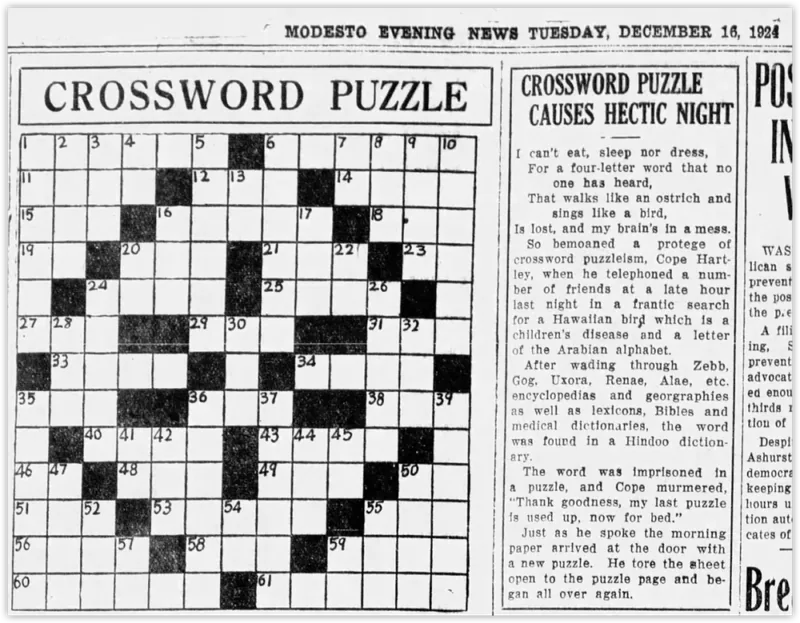
Early newspaper word games were mostly crosswords. Each day’s paper ran a crossword for the public to solve, and the answers appeared in the next issue. Papers also offered prizes for correct answers and found other ways to draw readers in.
2. Word games in all kinds of styles sprang up everywhere.
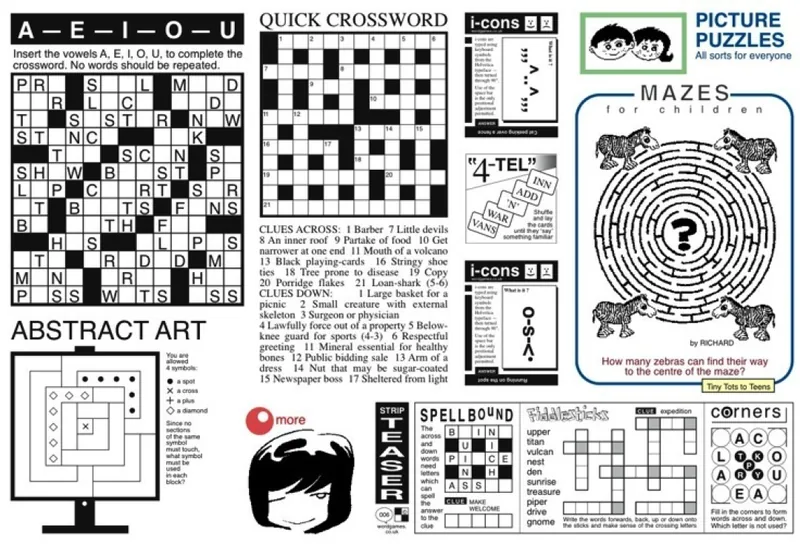
3. Word games became part of daily life.
Word games have long since grown beyond a simple pastime; they are now part of everyday life in America.
(1) In early childhood, word games are a way for kids to learn words.
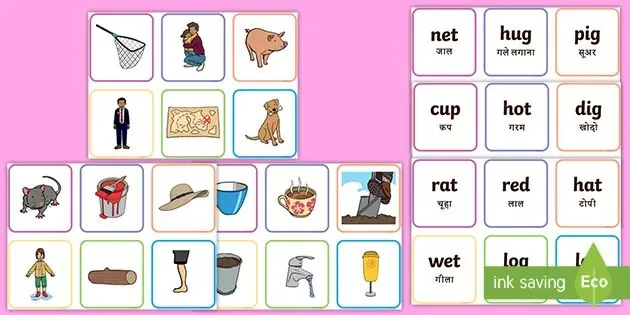
(2) Lots of board-game-style word games appeared, and they became a way for friends to bond at get-togethers.
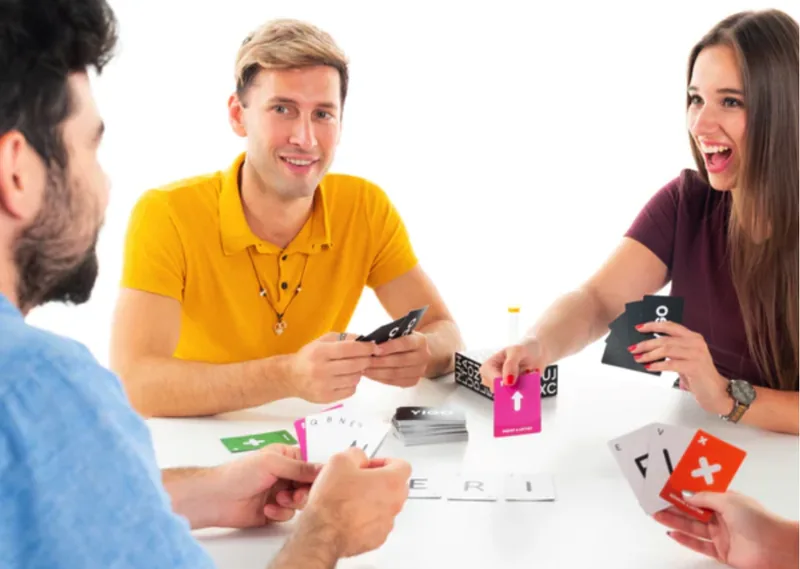
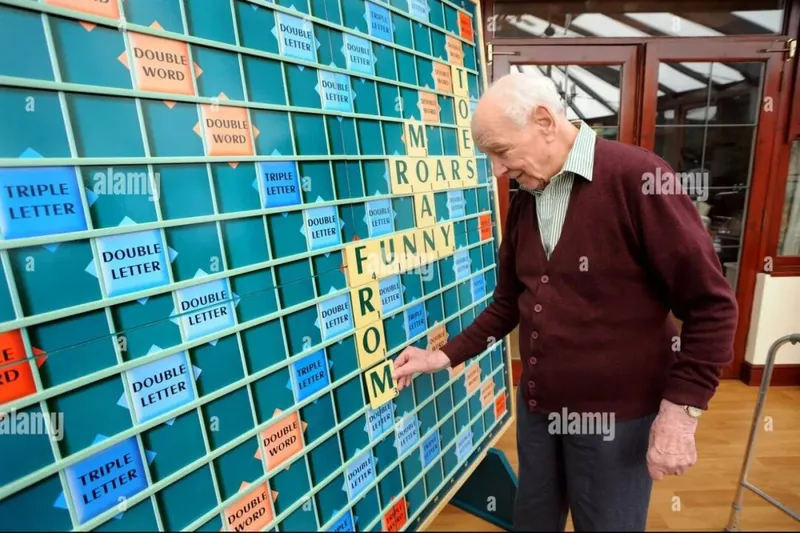
(3) Older adults use word games to keep their minds sharp, and they are a go-to pick for anyone hoping to stave off dementia.
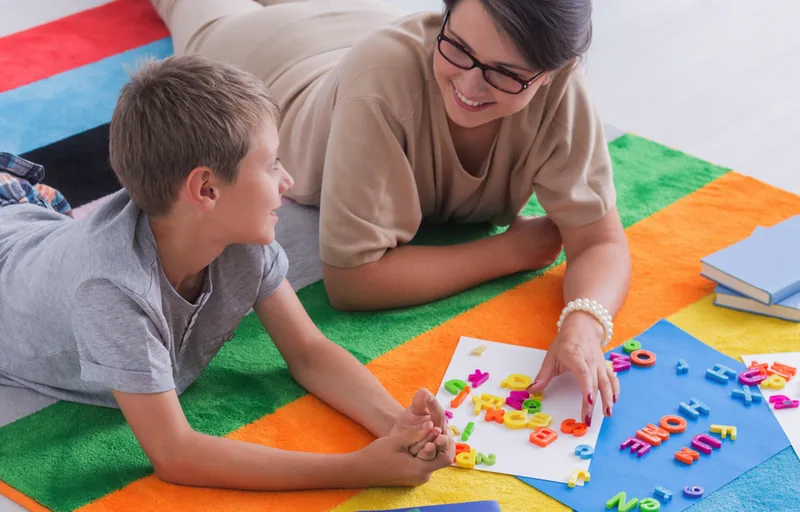
(4) Playing word games with their kids lets parents spend time with them and help them learn at the same time.
A staggering number of players
It’s clear from all this that word games reach a very wide audience across every age group, and with the culture so deeply rooted, there should be a huge opportunity in the US. That is how it turned out. When mobile games took off, word games kept appearing one after another, especially around 2017, when Chinese studios were just starting to publish overseas and many big word game companies emerged. Here are the word games on the US Google Play free chart:
| Game | Rank | Google Play downloads | Launched |
|---|---|---|---|
| Wordscapes | 15 | 50M | 2017 |
| Word Search | 32 | 5M | 2021 |
| Figgerits | 46 | 10M | 2021 |
| Cryptogram | 53 | 1M | 2023 |
| Words of Wonder | 71 | 100M | 2018 |
A few things stand out in this table:
- Word games have a huge player base, and download counts in the millions are common.
- Word games have a long life: a game more than six years old can still keep buying a fair amount of advertising to bring in new players.
- New styles of word game still have a chance.
And the table lists only a few of the top word games; there are many more small and midsize ones. That shows just how enormous the audience for word games is.
A word game market that needs new ideas
With an audience that big, it may seem strange that so few developers make word games today. The biggest reason: new ideas in word game design have hit a wall. There are too many games that play the same way, and copying an existing style means paying a very high price in ads for every new player, which makes success hard.
In terms of gameplay, the styles on the market today fall roughly into a few types:
| Style | From real life | What stands out |
|---|---|---|
| Crossword | Yes | The widest audience and the most fun, but also the most crowded |
| Word connect | Yes | The most popular word game style after crosswords |
| Word search | Yes | A bit drier than the first two |
| Cryptogram and Figgerits | Yes | Harder, but more fun |
| Successful new styles of recent years | No | Such as Word Stacks (words plus match-3), Wordle (guess a hidden word) and Scrabble (word battles against real people) |
| Other new ideas | No | Such as words mixed with bubble matching |
For now, making a word game is still a tough call, because it means coming up with new gameplay; otherwise the high cost of ads makes success hard to reach. It isn’t impossible, though: Cryptogram’s success shows that good gameplay still has a chance. Our suggestions for anyone thinking of making one:
- For developers in China, the first hurdle with word games is English. Building vocabulary and learning to enjoy word puzzles is key; without finding the fun in them, there is simply no way to make one.
- Skip small twists on existing styles, which have a hard time breaking through; crosswords in particular have been done to death. Go for a word game style the market doesn’t have yet.
- Don’t invent a word game entirely from scratch either. Follow Cryptogram’s approach and adapt a word game people already play in real life. Popular ones in the US include Word Ladder puzzles, Boggle, YIGO and Anagrams, and there are plenty of browser word games online to look through.
- Once the gameplay is settled, the most important thing is the word list, the foundation of any word game. Stick to the word lists competitors use wherever possible. If you have to build your own, be sure to work with native speakers in the US; being good at English, or having been to the US a few times, is not enough.
That’s our look at American word game culture, starting from Cryptogram.