Why Mobile Game Design Makes You Tap to Claim Rewards
Mailbox gifts, daily check-ins and paid packs all wait for a tap: what mobile game design gains from making you claim rewards by hand.
In this article3 sections
The coins and items you earn in a game almost never go straight into your account. They wait behind a button you have to tap first. Games from China and from everywhere else work this way, and many would rather build a “Claim all” button than simply drop everything into your inventory: you still have to “claim it yourself.” Plenty of developers follow this habit of mobile game design without fully understanding why. Here is what that tap does in a player’s head, with free rewards and in-app purchases looked at separately.
Why free rewards wait for a tap
Free rewards in games fall into a few types:
1. Pure rewards with no feature attached, like the free daily gift in your in-game mailbox
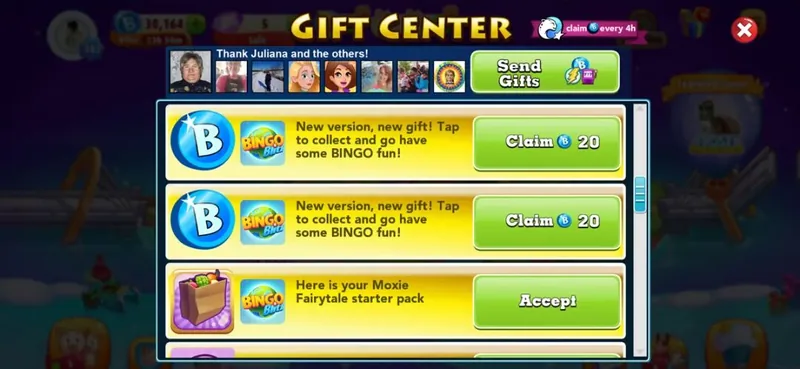
Rewards of this type usually work as a daily safety net, there to make sure players spend a basic amount of time in the game each day. They tend to arrive through the system mailbox, and players have to open it and tap Claim to get them. The main goal of doing it this way:
Only the tap of claiming makes players feel that the game has handed them a free reward. The same goes for a “Claim all” button that collects a pile of rewards at once: players can hardly remember exactly what they got, but the impression that the game gave them something for free has already formed. This is also why so many apps make you tap to claim a coupon, or send you a text message after giving you one. Both are there to reinforce the memory of being given something.
In short, a free gift calls for gratitude, and claiming it by hand is the moment that gratitude happens, which strengthens the player’s emotional bond with the game.
2. Free rewards tied to a game feature, such as daily check-ins or the free items in the shop
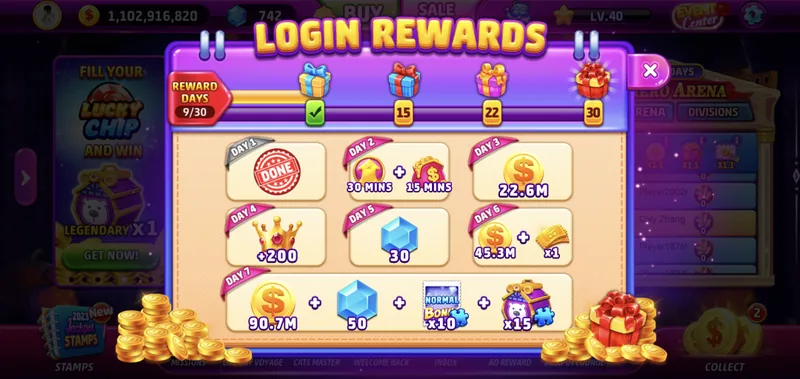
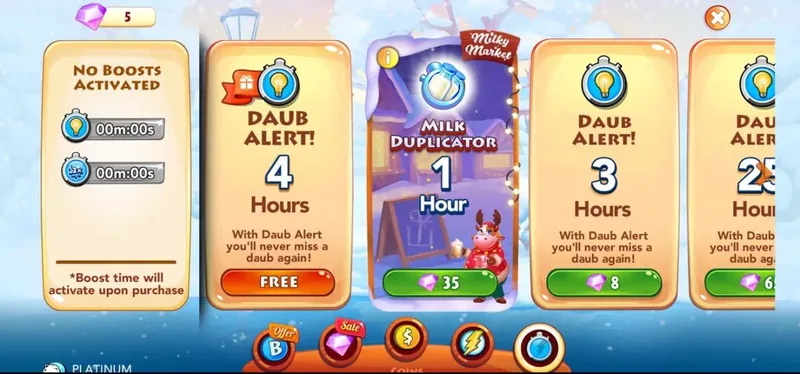
Rewards of this type depend on a feature, and making players claim them by hand instead of handing them out has more to do with that feature. There are two main reasons:
- Free rewards draw players into the habit of opening the game every day, which keeps more of them coming back
- Opening a feature’s screen to claim a reward is how players get familiar with that feature
3. Free rewards tied to spending, such as the free track of a season pass or a free prize wheel
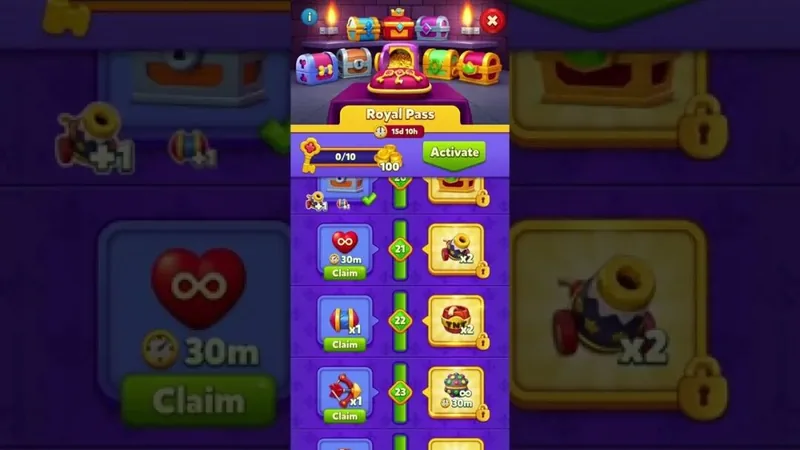
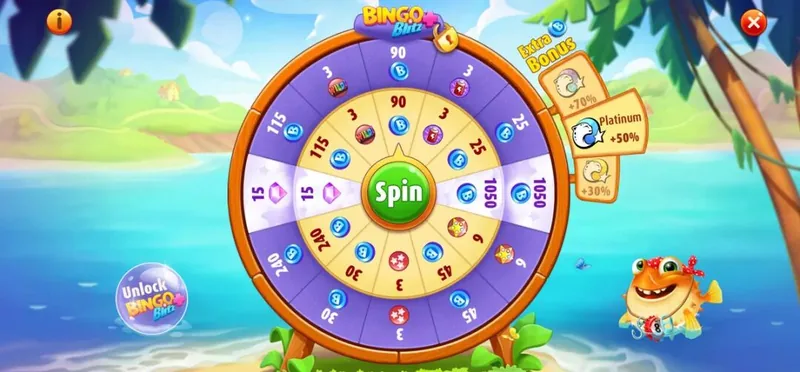
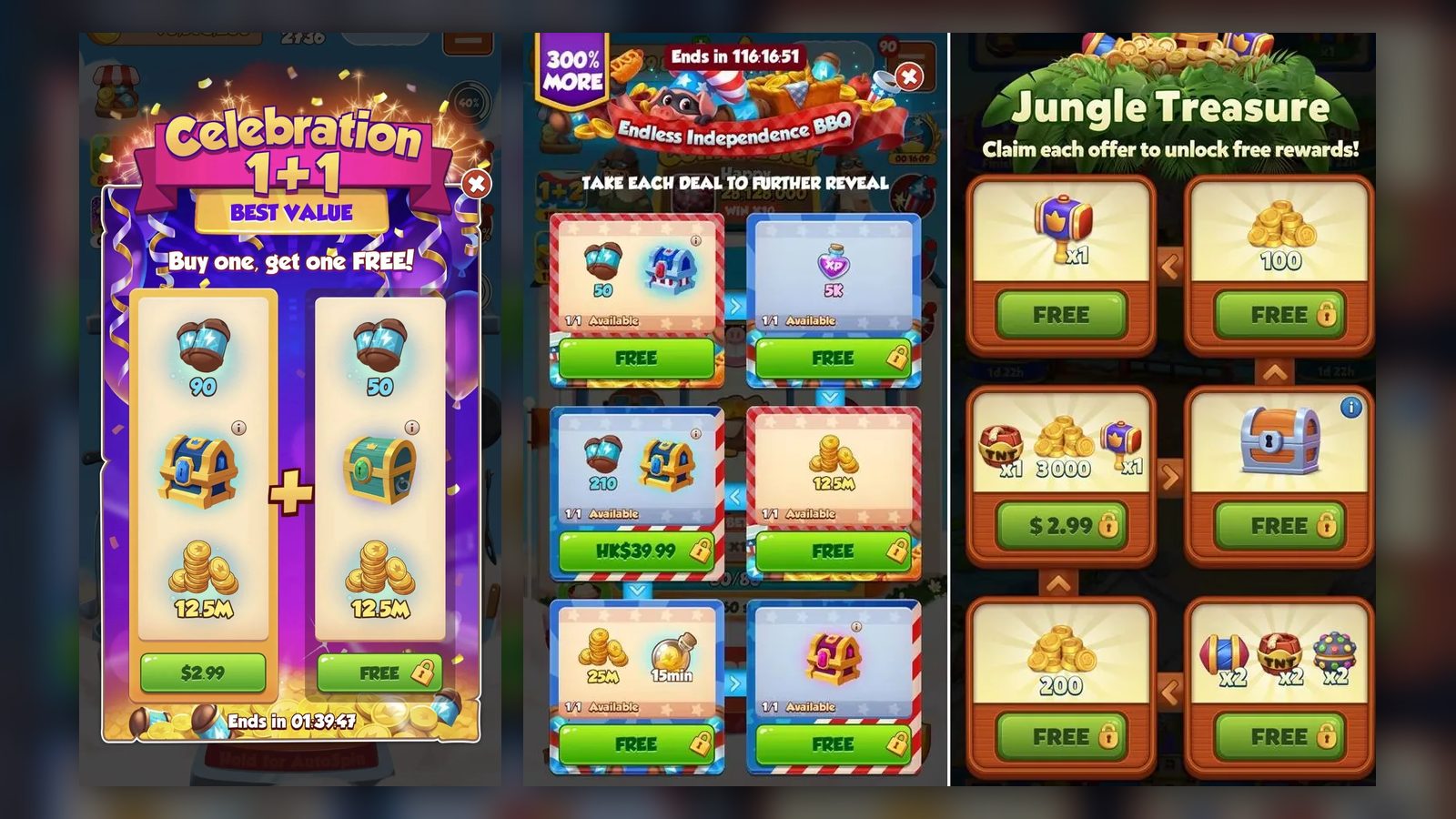
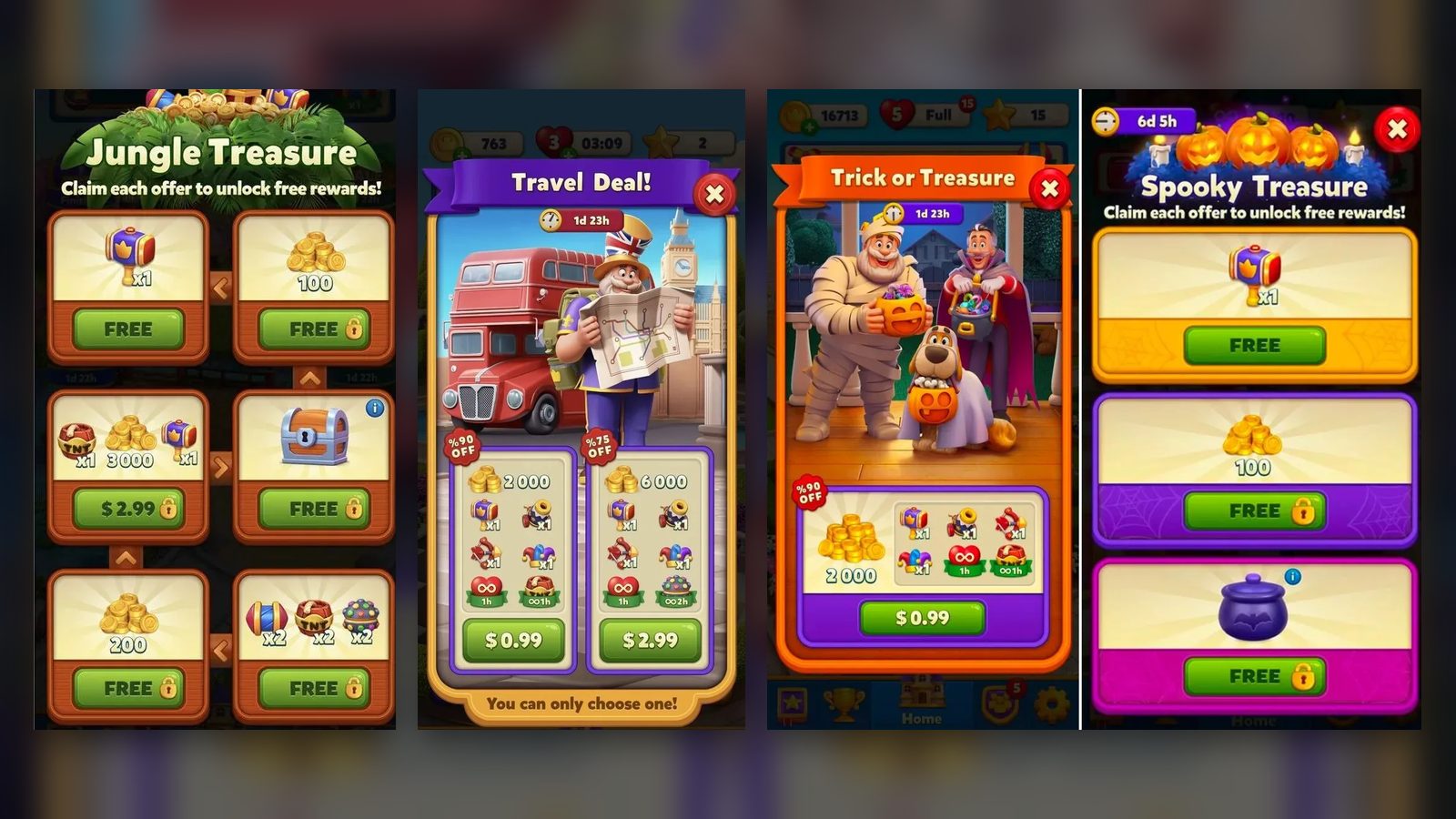
This type of free reward exists to make money from the start. The free part is only bait: it pulls players in first, then much richer rewards tempt them to pay.
That is why players must go through the act of tapping: it gets their emotions going and nudges them toward a purchase.
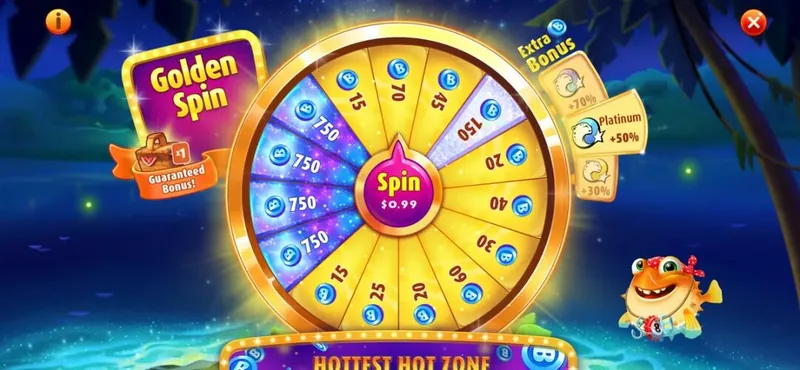
Take the free prize wheel: big prizes are usually hard to win from it. At that point, a dazzling paid wheel loaded with rich rewards plants the idea of a jackpot worth far more than its price, and pushes players to pay.
How claiming should work for in-app purchases
Compared with free rewards, the claim step for in-app purchases deserves more careful design, because it shapes how satisfied players feel about what they bought. High satisfaction with a purchase leads to the following:
- A good mood
- More trust in the game
- A willingness to buy again the next time they want something
- A more optimistic outlook on the next purchase, and a faster decision to make it
- A willingness to recommend the item to other players
So claiming a purchase has to include a tap to claim, and other design touches need to back it up:
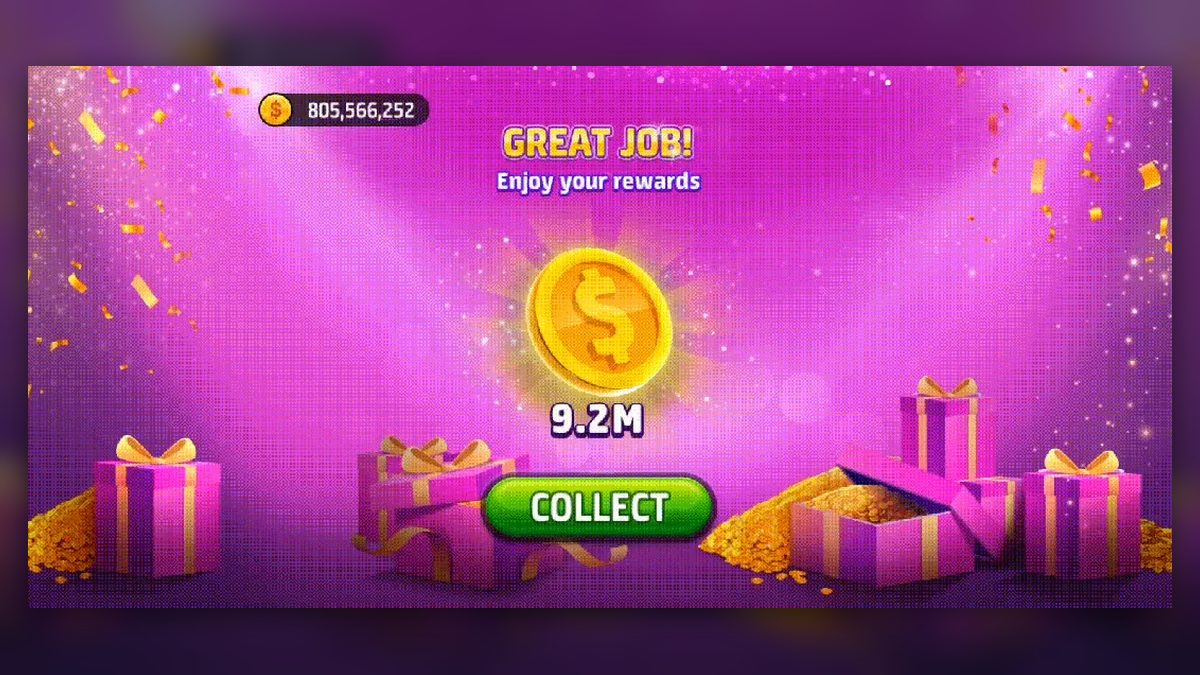
1. A claim button or animation after payment, which tells players the payment went through and the items were delivered. Without it, players may not be sure whether anything arrived, and that leads to disputes.
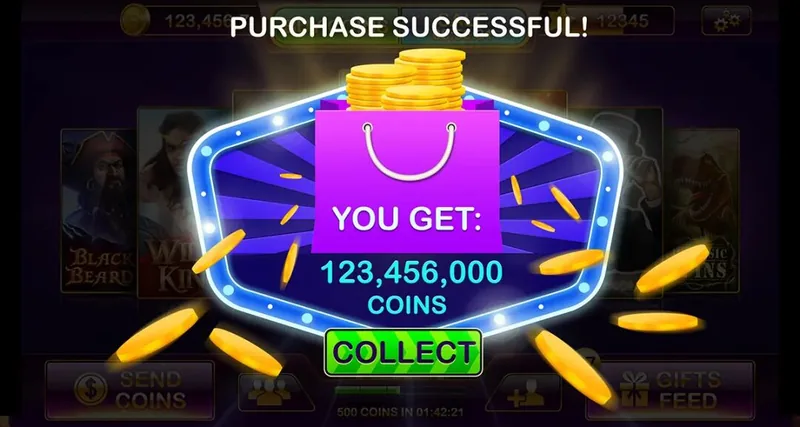
2. The claim screen after payment has to show clearly every bit of currency and every item the player should receive. Otherwise players will again suspect something was not delivered, since most of them never make a point of remembering how many items they had left before paying.
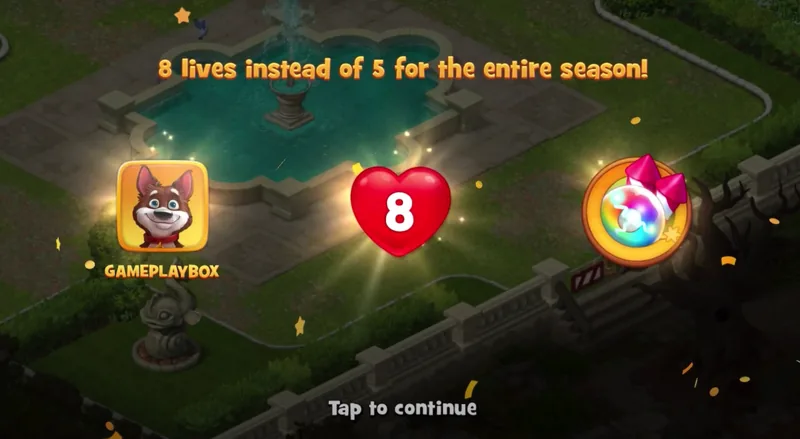
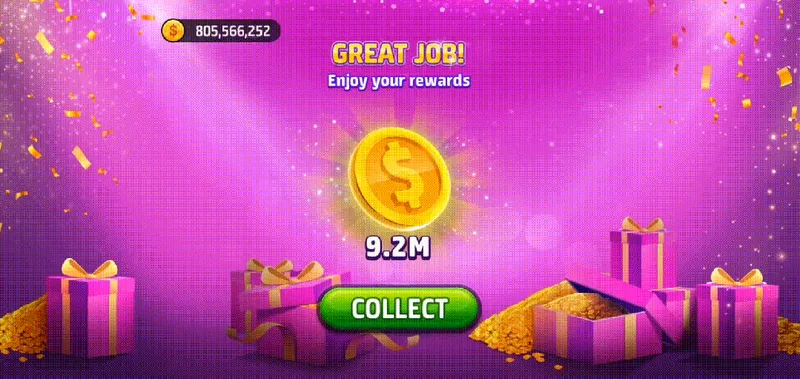
3. Along with the tap to claim, we recommend a flashy claim animation.
What sets games apart most is the instant response to each move, and a flashy animation suggests that what you got is rare and worth more than you paid. It gives players positive encouragement, and the goal is to keep them paying.
The short version
Finally, a recap of everything above:
- Free rewards are made to be claimed by hand for three purposes: to make players feel grateful for the gift and closer to the game, to build a daily habit and familiarity with the game’s features, and to get players’ emotions going so they pay.
- Paid rewards are made to be claimed by hand mainly to raise players’ satisfaction with what they bought: the claim step confirms delivery, shows every item clearly, and a flashy animation makes the purchase feel worth it.
That is the thinking behind the Claim button.