Mobile Game Monetization: Why Games Push So Many Offers
Mobile game monetization explained for players: what starter packs, piggy banks, battle passes and limited-time deals are each designed to do.
In this article6 sections
If a game has ever hit you with a stack of pop-up offers in a single sitting, you’re not imagining it. Mobile game monetization has gone very far: nearly every corner of a game can be turned into a reason to make in-app purchases, and many games push a long line of offers at the player at the same moment. For players, that can feel very annoying. From the developer’s side, the reason for so many kinds of offers is not greed. Each type of offer has its own spending role and goal, and developers decide which offer to pop up, and in what order, based on the player’s current state.
So what kinds of offers are there, and what is each one for? Here they are, one at a time.
Breaking the ice: the first purchase
The goal of this offer is obvious: getting the player to pay for the first time. Once a player has made a first purchase in a game, the chance that they keep spending later is much higher. That’s why breaking the ice matters so much, and it’s the main reason many developers put a lot of effort into designing first-purchase offers.
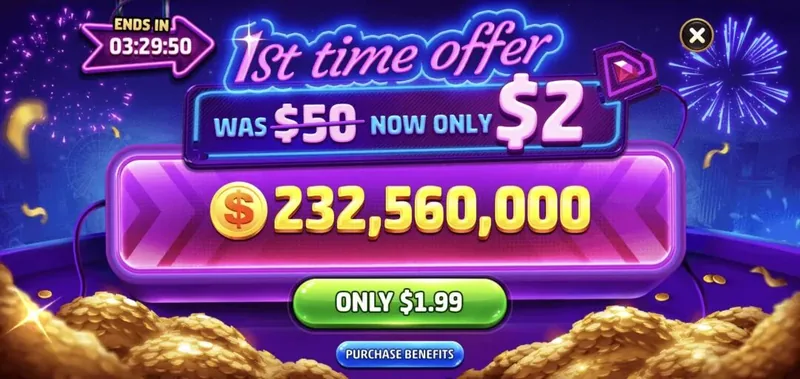
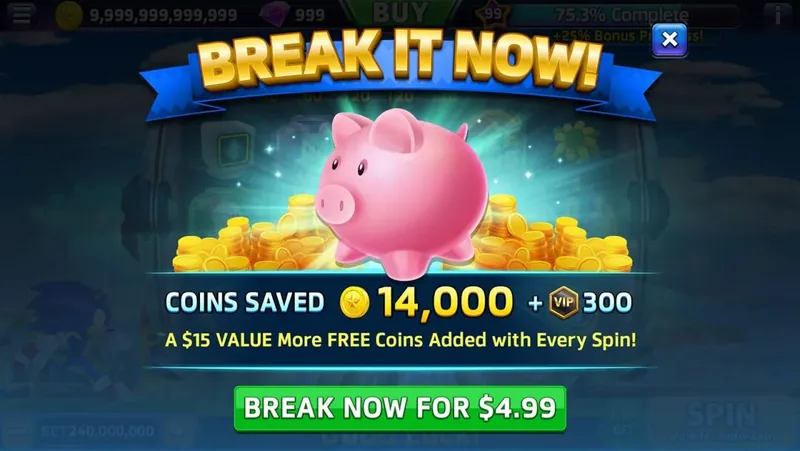
In China, ice-breaker offers are usually starter packs, and their value can reach 700%, which is very hard to resist. Outside China, starter packs are also a very common ice-breaker. But the piggy bank works best of all, mainly because American players already know and accept the idea of a piggy bank: even when a piggy bank and a starter pack offer exactly the same value, players tend to assume the piggy bank is the better deal. Tips for designing a piggy bank are covered in “5 Ways to Optimize a Piggy Bank.”
More spending, more players who stay
Offers of this type mainly means the battle pass. An earlier article, “6 Key Points of Pass Design”, already covered the details, so they’re left out here.
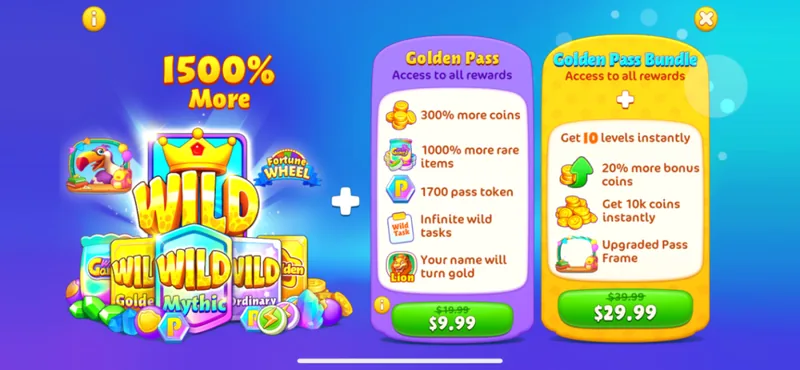
What matters here is the job a pass does in a game:
- A pass is great value with plenty of rewards, so players who stick with a game almost always buy it, and it makes up a large share of total revenue
- The points, the progress bar and the reward lineup of a pass push returning players to take part more and give them goals to reach stage by stage, which helps keep players coming back over the long run
Raising what the average player spends
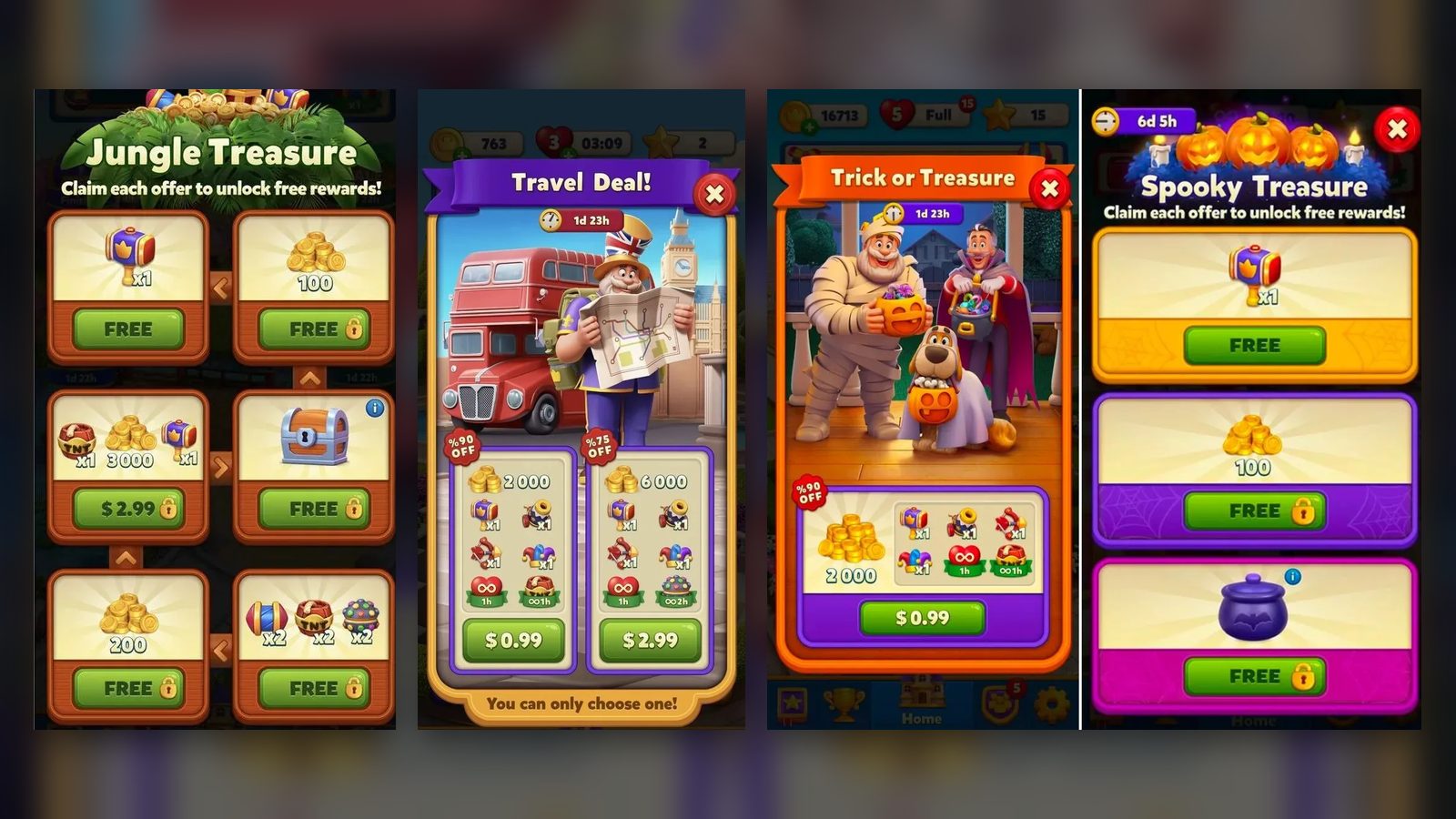
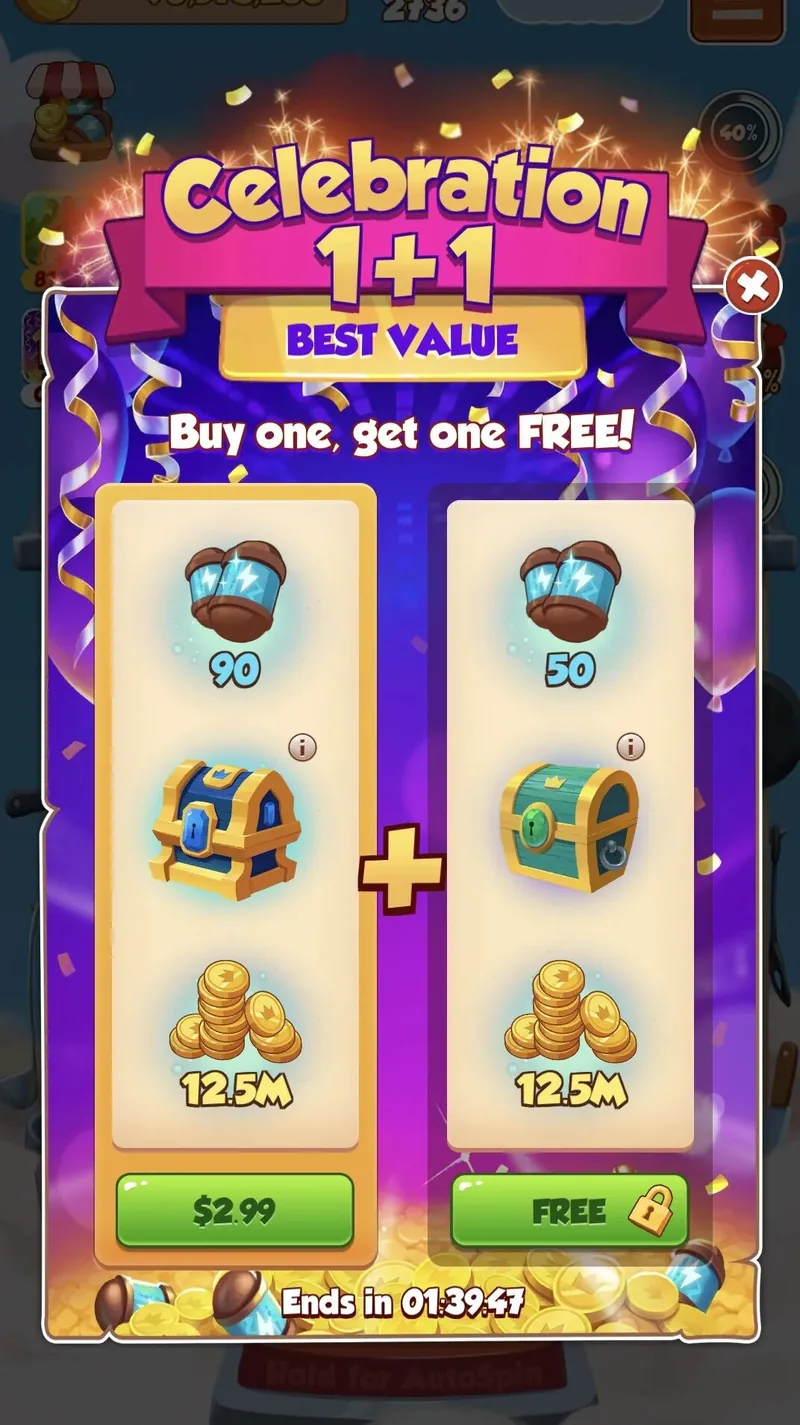
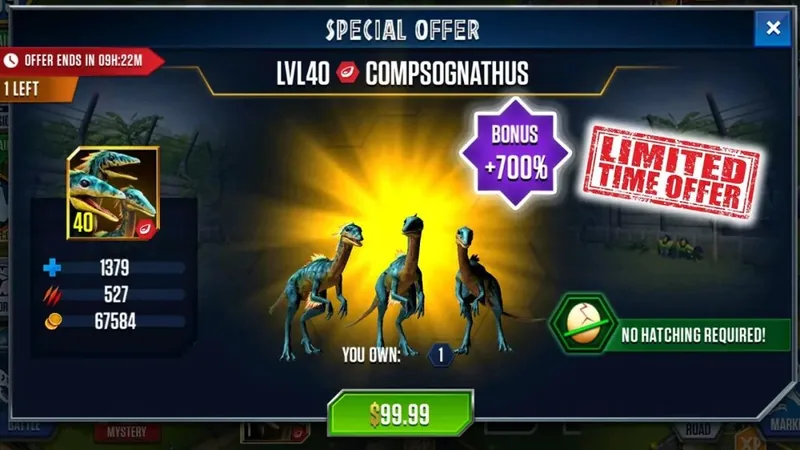
Offers of this type come with an expiry time. Once the time runs out, the offer disappears and there’s no way to buy it anymore. That gives players the feeling that if they don’t buy now, they’ll miss out. By kind of promotion, they fall into a few groups:
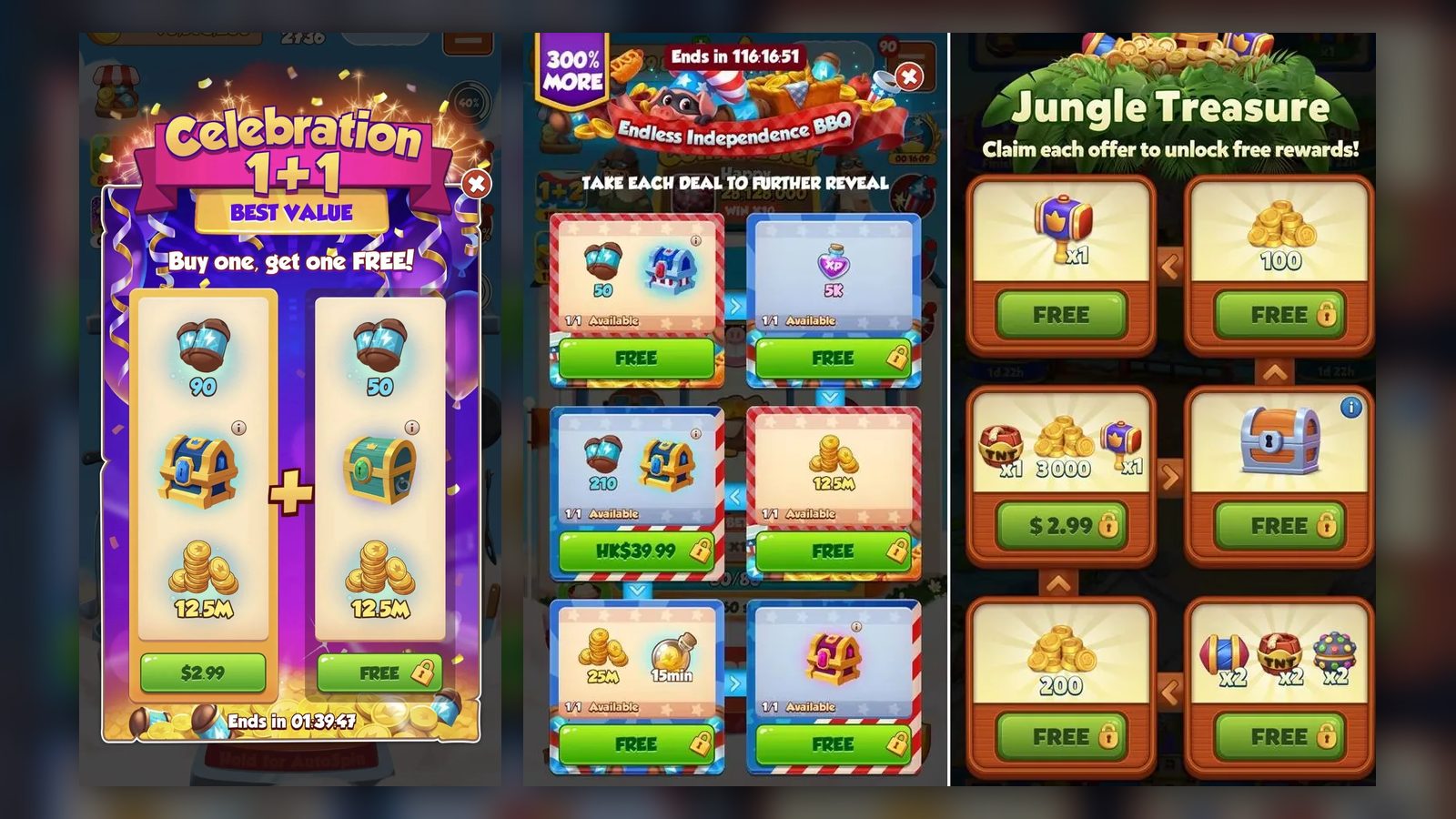
1. Buy one, get one free
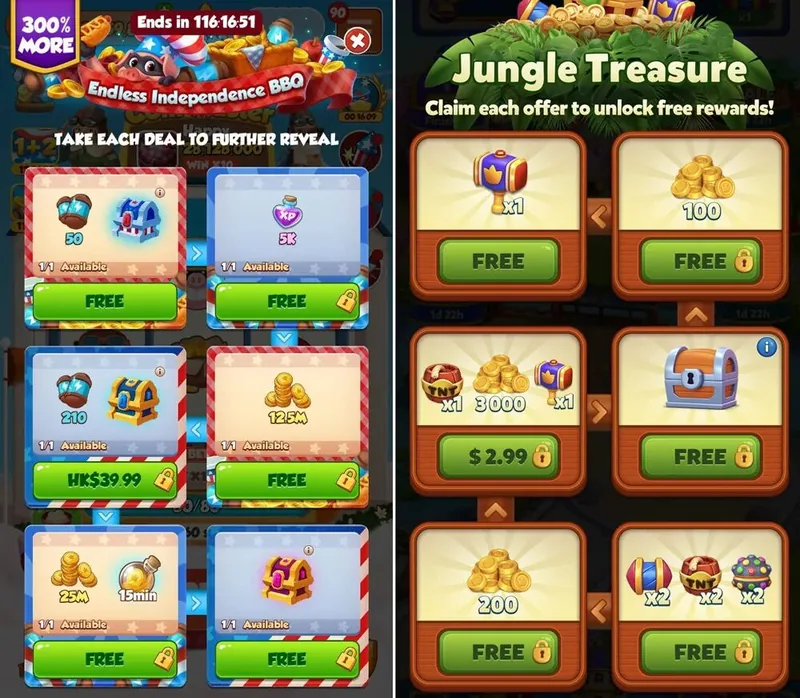
2. Buy one, then claim the others for free (the endless offer)
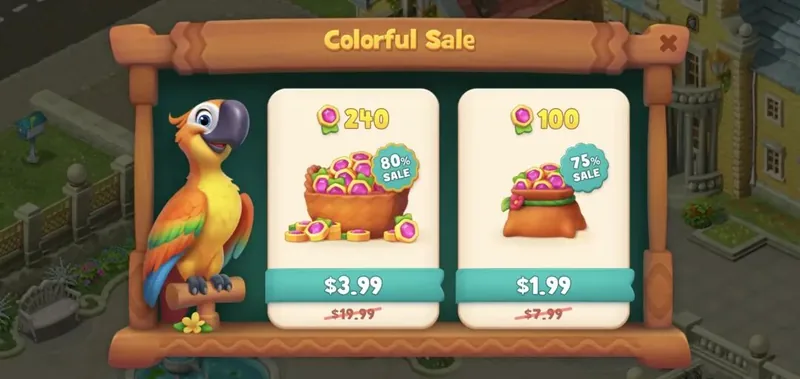
3. Discounted offer prices
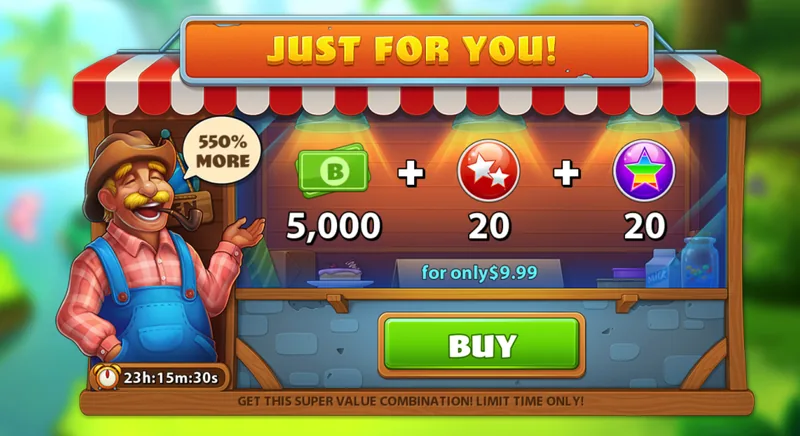
4. Extra rewards in the offer (such as 30% more)
5. Pick-one offers, where you choose one of several
These limited-time offers exist to make players feel they’re getting a deal and to nudge them into buying, which raises the average spend per player and, in the end, the game’s revenue.
Offers tied to one game mode
Offers of this kind do two jobs:
- Make the mode’s own offers different from the rewards in other offers, to widen the range of spending
- Get players more involved in that mode
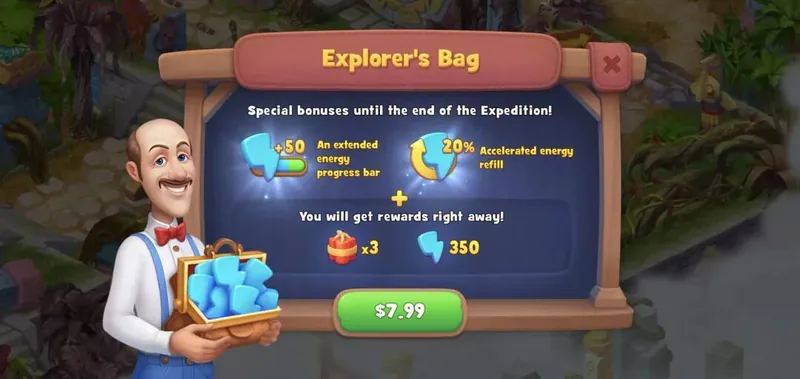
Homescapes, for example, added Klondike-style exploration as one of its game systems. Players can earn the energy for exploring by playing match-3 levels, or they can simply buy energy.
Raising what big spenders pay
In any kind of game, it’s a plain fact that big spenders bring in most of the revenue, and how to keep them and get the most out of them is something developers care about a great deal. One way to raise what big spenders contribute is summed up in a phrase many developers have kept repeating in recent years: “refined operations.” It sounds mysterious, but it roughly means pushing different content, in-game values and offers to different players. Based on a player’s current state, past spending and so on, the game sends that player (mostly big spenders) a personalized offer that only they can see, with rewards tailored to where they are in the game. The main goal is to get as much value as possible out of big-spending players.
Offer types at a glance
Here are the different kinds of offers and what each one does:
| What the offer does | Offers used |
|---|---|
| Break the ice | Starter packs and piggy banks |
| Raise spending and keep players coming back | Pass |
| Raise spending with mode-specific offers | Such as the energy offers in Homescapes’ Klondike system |
| Raise what the average player spends | Limited-time offers of all kinds, such as buy one get one free and endless offers |
| Raise what big spenders pay | Personalized offers |
Those are the main kinds of offers, and each one has its own job to do.