Why Pokémon Sleep Feels Like a Chore After a Week
Pokémon Sleep turns your sleep into progress, but its 90-minute minimum, phone-on-the-bed rules and daily chores clash with Snorlax's lazy charm.
Pokémon Sleep: a game you play by sleeping
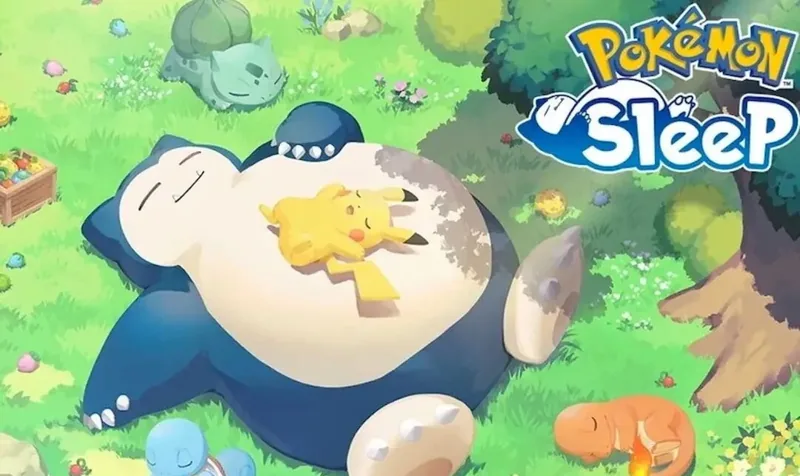
Pokémon Sleep, a new Pokémon game that launched recently, is a sleep game: you play it by actually sleeping. The game tracks your real sleep and logs the data. Then it pays out sleep rewards, which earn you experience and push your progress forward. A week of it says a lot about what happens when a game moves into your daily routine.
Since the only way to play is to sleep, a week of testing meant a strict routine: open the game every night before bed, no exceptions, and tap in to collect the rewards the moment you wake up. It was also the first time a game had pushed us to play during “the sleepiest hours of the day.”
After that week, here is how the game looks to Pokémon fans who also work in mobile game design: how it felt to play, our verdict, and what this unusual sleep game reveals about what sets it apart, where it falls short and how far its ambitions reach.
What you actually do in the game
Here is the setup, as the game’s makers present it.
In the game’s story, your job is to help Professor Neroli and Snorlax research how the Pokémon in each area sleep.
The research goes like this. Every day you log your sleep in the game, which gives Snorlax sleep power and helps it level up. Then, depending on your sleep type and sleep data each night, waking up calls in Pokémon of every kind, in every kind of sleeping pose, along with sleep rewards. The Pokémon you get keep producing materials for Snorlax while you’re away, and raising Snorlax lets you call in more kinds of Pokémon and unlock more sleeping poses.
Officially, the game is a three-part loop: raise Snorlax by day, measure your sleep at night, and unlock new Pokédex entries when you get up. Put more precisely, it is a game that “unlocks a Pokédex, wrapped in the idea of raising Snorlax through sleep.”
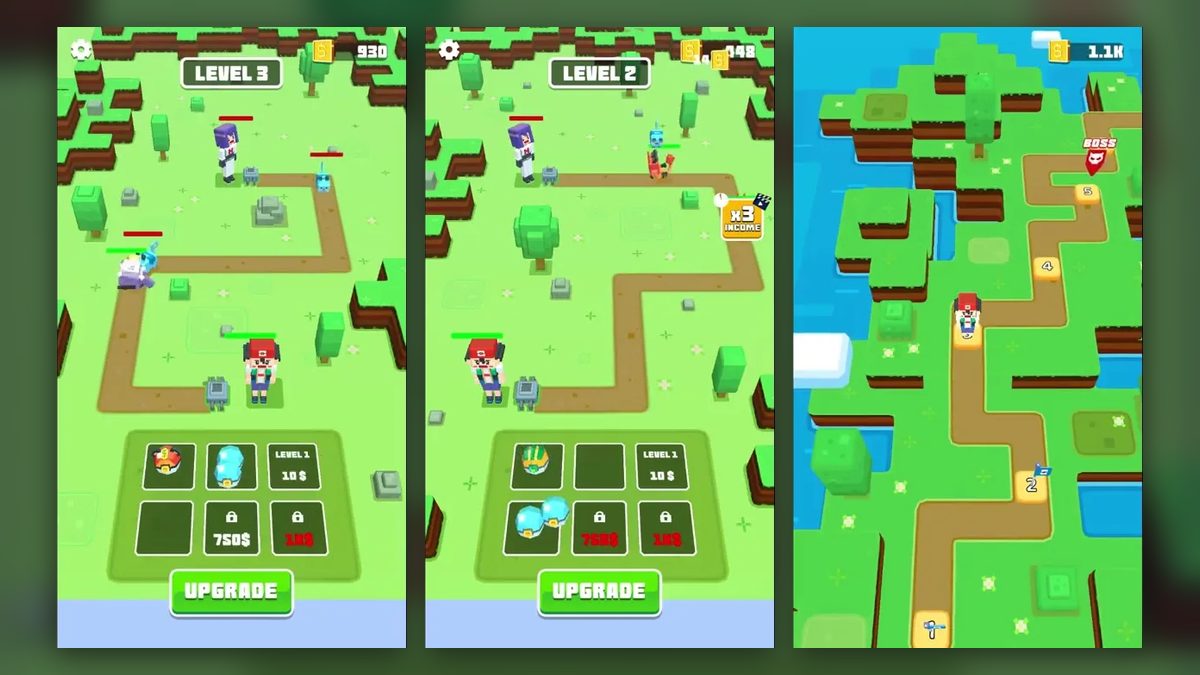
That recalls another game built in a very similar way: Travel Frog, the 2017 hit where a little frog keeps leaving home on trips.
Both offer “a kind of idle play that hands out random rewards for you to collect.” Anyone who played Travel Frog probably still remembers worrying like a parent every time the little frog left home, and smiling with relief each time it came back with new photos or a new friend.

But where Travel Frog feels comforting, warm and fresh, the new Pokémon game left a mostly negative impression.
Where it goes wrong
A structure that’s far too complicated
The game grows out of the sleep features in Pokémon GO, and it adds the leveling structure and the huge collecting game that come with the powerful Pokémon franchise. From the start, that gives it a deeper and broader progression system than Travel Frog, but it also makes the play more complicated, even a bit tedious.
Pokémon types, levels, idle production, cooking with ingredients and other systems, plus Snorlax’s own leveling, turn the game from “laid-back idling” into “leveling up plus random combining.” All of it sharply raises how complicated the game is, along with the energy and time you have to spend on it every day.
So every morning, still half asleep, you collect all sorts of rewards and tap all sorts of upgrade buttons. During the day you also have to remind yourself when it’s time to collect the daytime idle rewards and cook for Snorlax… Leveling that feels this much like a job clashes completely with the lazy, easygoing “Snorlax vibe” we had pictured for a “Pokémon Travel Frog.”
A leveling structure built on daily check-ins, strategy and number-crunching does not fit the comforting, low-stress, easygoing core loop of a “Pokémon Travel Frog.”
Sleep mechanics that cost the design points and push the experience below zero
So far the game has been poorly received on Google Play, and most of the negative reviews take aim at its sleep mechanics.
Start with collecting. The game sorts your sleep into three sleep types, Dozing, Snoozing and Slumbering, based on the sleep data it gathers. Each type only attracts Pokémon whose sleeping poses match it, so some players may never be able to collect certain kinds of Pokémon at all.
For gating players’ collection progress and enjoyment behind something they can’t control (after all, it’s hard to choose what type of sleep you’ll fall into), the designers really do deserve a big “hats off.”
If letting your sleep decide your collection counts as a design that doesn’t work, the game’s rules for tracking sleep can only be called downright terrible.
To track sleep properly, the game needs you to allow microphone access, keep the game open in the foreground the whole time, put the phone face down, never lock the screen, place it on something soft, and sleep more than 90 minutes in one stretch.
All of that drains the battery: without a charger, it can drop from 80% to around 50%. Add the rules that the phone has to lie on the bed, each sleep has to last longer than 90 minutes, and the screen can never lock or switch to another app, and the sleep-tracking side of the game lands firmly below zero.
A complicated leveling system, collecting that runs on guesswork and a sleep-tracking method that seems designed against its own players: as a game and as a product, it falls short. So why would Nintendo make a game this poorly received? And why do so many parts of it feel so strange?
To finish, a look at the likely reasons it was built this way, and at the unique value and strategic weight the Pokémon brand carries for Nintendo.
Nintendo’s bigger ambition
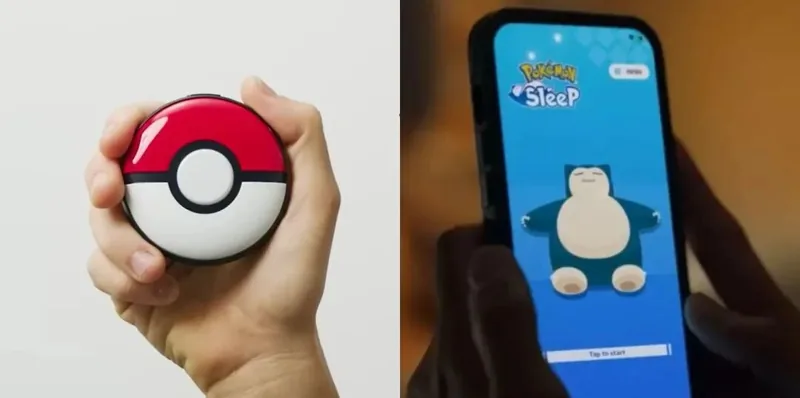
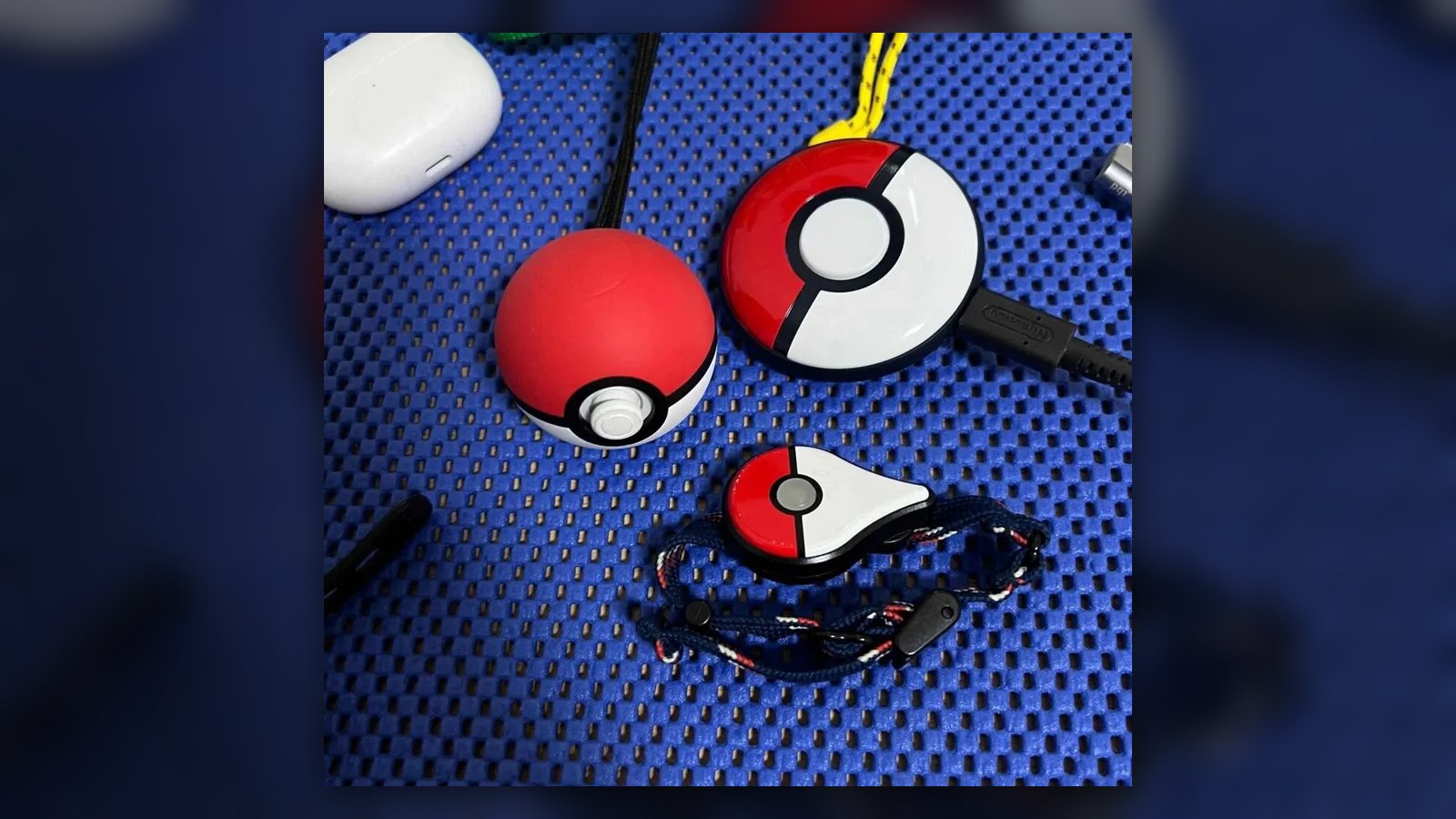
Alongside the game, The Pokémon Company also released an accessory, Pokémon GO Plus +. In Pokémon GO it can stand in for some actions, and with the sleep game it makes tracking your sleep easier. It also comes with some exclusive Pikachu sound effects and white noise for sleep. It’s fair to say the game is only complete with this accessory paired with it.
It is not the first device of its kind, either.
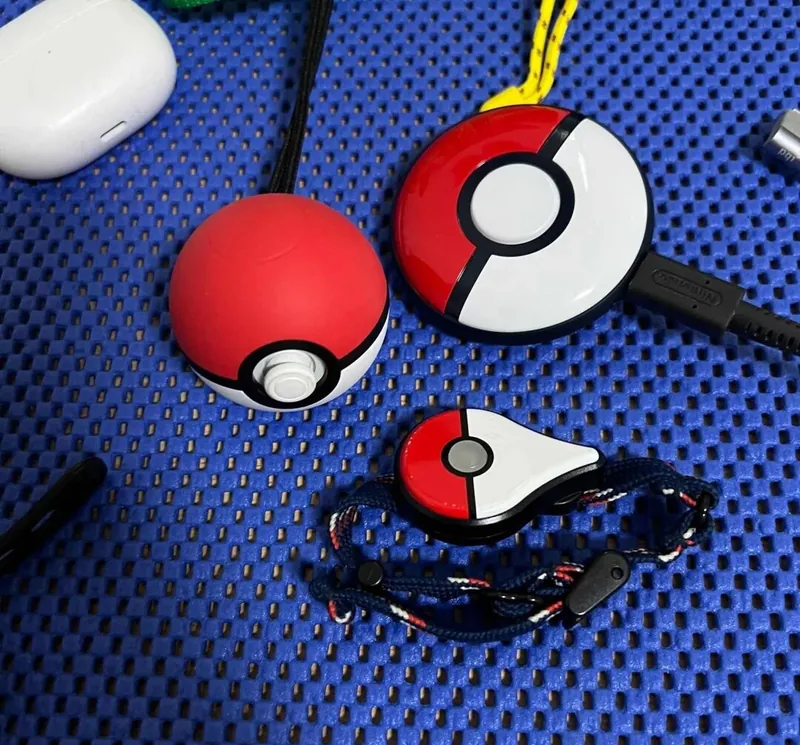
From the earlier Pokémon GO Plus, worn on the wrist, to the Poké Ball Plus, shaped like a Poké Ball, and now Pokémon GO Plus +, built for sleep, Nintendo has released a whole series of accessories around its Pokémon games. To varying degrees, they improve and even advance how players interact with Pokémon games. Above all, as physical objects they carry the fun of Pokémon out of the game world on the screen and into the real world, where players can see it, hear it and touch it.
In our view, Nintendo wants to use Pokémon’s appeal to just about everyone, and its relaxed, casual play, to build a complete Pokémon accessory lineup: a wristband for location-based play, a Poké Ball that lets you carry a Pokémon from the game on your belt, and now a sleep helper that makes it easy to track your sleep. The end goal looks a lot like Apple’s lineup of Mac, iPhone, Apple Watch and AirPods.
Each accessory offers its own separate experience. Put together, they would bring the setting, the experiences, the play and even the daily habits of the Pokémon world into every part of players’ real lives, from every angle and around the clock.
Maybe someday Nintendo will even release accessories for eating with Pokémon, commuting with Pokémon or working out with Pokémon…
More kinds of accessories, more ways to play and more variety, until every player becomes a Pokémon Trainer in the real world. Bit by bit, that would break down the wall between the virtual world and the real one, letting players step into the world of Pokémon, or letting Pokémon climb out of the game and take shape in the human world. That may well be Nintendo’s next plan, and its bigger ambition, for the Pokémon brand.
The end.
Thanks for reading.
Reference
“Pokémon Sleep gameplay and sleep tracking revealed in full: keep your phone by your pillow and sleep on a regular schedule every day to complete the Sleep Style Dex”