Game Localization for the US: Cultural Pitfalls to Avoid
Where game localization for the US goes wrong, from character proportions (nine heads tall, not six or seven) to holidays, zoos, buses and time zones.
In this article7 sections
For developers in China, the biggest hurdle in taking a game overseas is game localization, not feature development. Localization covers more than translation: it means designing and adjusting features to fit the local culture. That makes culture a hurdle there is no way around. Chinese and American cultures differ a great deal, and many key points need special attention in game design. This article lists the most important minefields to help developers clear them.
Head-to-body proportions
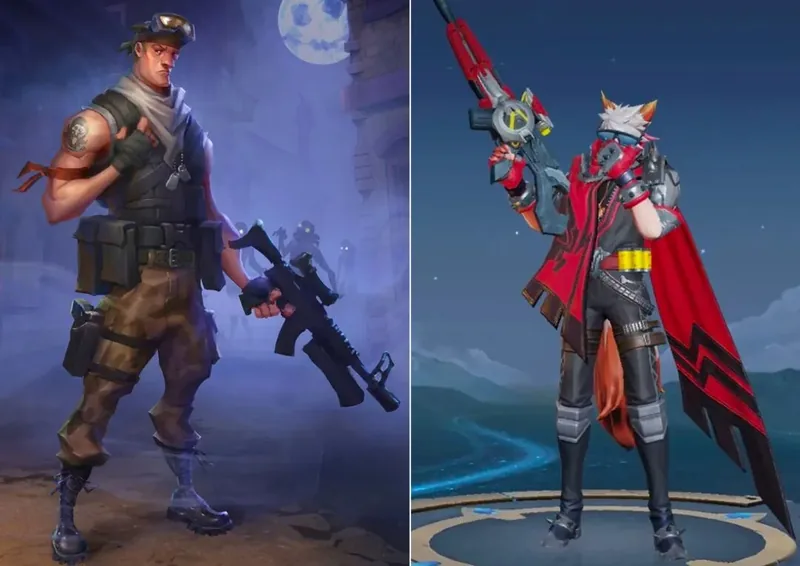
Western and Chinese tastes differ a lot. The gap shows most clearly in a game’s art style, and most developers have already noticed that, but many overlook it when it comes to how characters should look. Compared with Asians, Americans tend to be taller and larger, with more defined facial features, and in games this leads to very different ideas of what a good-looking character is and how to design one.
- Characters designed by Americans are usually nine heads tall, meaning the head is one-ninth of the full body height, while Asian designs usually run seven or six heads tall.
- For faces and bodies, Asian designs lean soft, while American designs are sharply angular, with especially exaggerated legs and muscles.
See the picture below:
One note: characters made for audiences with their own subculture, such as anime and manga fans, are outside the scope of this article. Those groups like exactly those proportions and designs, and that holds in every country. Change them and the result is no longer anime style.
Avoiding racial discrimination
In American society today, racism is treated as settled, at least on the surface, but it is still a taboo topic in any public setting. Games are no exception, so this needs special care.
If a game has to have characters, don’t make them all one skin color; ideally, include every skin tone.
Look at some of the characters in Gardenscapes, and every skin tone is there:

Holidays
Americans get long vacations and plenty of public holidays every year, and the most important are Christmas and New Year’s.

The two usually run together as one break. Around December 22 most companies close for the holidays, and the time off lasts into mid-to-late January. This stretch is similar to the Chinese New Year holiday in China. It is when a game’s metrics are at their best, and the right time for lots of reactivation and IAP events.
Next come the regular holidays, such as Thanksgiving, Halloween, St. Patrick’s Day, Easter, Independence Day and more.

Beyond these, globalization has led some Americans to celebrate holidays from other countries too, such as Cinco de Mayo on May 5, a celebration of Latino culture (pictured below), and Chinese New Year.

No animal cruelty
The US has laws against cruelty to animals and children, and breaking them can mean prison time. For those of us making games, there are two key points to watch:
- A game can’t include designs that restrict an animal’s freedom or force animals to perform. That could count as animal cruelty.
- If a game has zoo features, the animals can’t be kept in pens; they have to roam free in the open, or it could count as animal cruelty.
The animals in Wildscapes, for example, are mostly out in the wild:

Food culture
American cooking has far fewer methods and dishes than Chinese cooking. When Americans use a pan day to day, it is mostly to fry a steak; there is no Chinese-style stir-frying. So cooking games should avoid moves like tossing food in a wok.

Also, Americans each order and eat their own meal. There is no equivalent of the Chinese habit of ordering many dishes and having everyone sit around the table, each person reaching in with chopsticks. This is a common mistake among developers taking games overseas.

Buses mean poverty
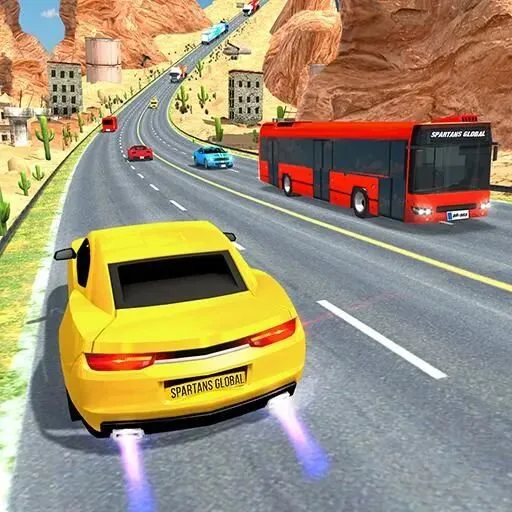
The US is a nation on wheels. People drive to school, to work, to the store, to dinner and everywhere else. Public transit is not a common way to get around, and a bus may come only every 30 minutes, or even once an hour. So the vast majority of Americans don’t take the bus; only a small number of poor people ride it. That is why game designs should avoid buses wherever possible, because players may feel insulted.
Choosing a time zone
The US spans a huge range of longitude, so it has many time zones, from UTC-4 to UTC-10. On top of that there is daylight saving time (clocks move forward 60 minutes near the start of spring and go back to standard time in the fall), which makes time very messy. In general, games pick their time zone in one of two mainstream ways:
- UTC-8, Pacific Time. Ad-buying and monetization dashboards such as Google’s and Facebook’s use this time zone by default.
- UTC-0, Greenwich Mean Time. It is a standard time zone and widely accepted. Some analytics and attribution tools, such as AppsFlyer, use this time zone.
Those are the most important American cultural pitfalls for games made for overseas markets. American culture is fairly open to other cultures today, and many designs that don’t match American habits are now accepted. Still, they leave players feeling that a game is unprofessional and not localized enough, and that lowers how invested players get in it.