The Real American Candy Behind Candy Crush
Candy Crush is built on real American sweets like Jelly Belly beans, and their age says a lot about who plays match-3 games.
In this article4 sections
Candy Crush has climbed almost steadily through its 10 years on the market. Part of the reason is its levels, which are fun and challenging at the same time. The candy also played a big part: the sweets on the board and the world built around them did a lot to help the game catch on and spread. Those candies are real American sweets, and where they come from explains a lot about who the game is made for.
Plenty of players find the game’s candies ugly. That impression mostly comes from not knowing American candy culture. The sections below look at that culture from several angles, and at how games put it to use.
Where the logo’s candies come from
There are a great many candies in the game, so we traced the three that appear in its logo.
1. Jelly Belly
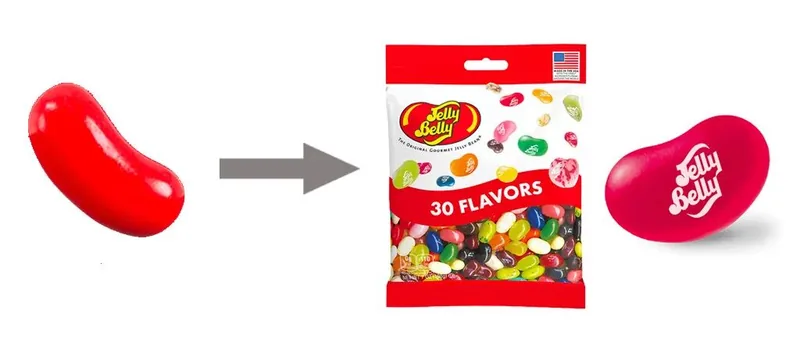
This candy is Jelly Belly, a brand of jelly beans: sweets with a sugar coating and a soft center. Jelly beans were former US President Ronald Reagan’s favorite candy, and at his funeral a small jar of Jelly Belly beans was even placed in his pocket to be buried with him. That is why the candy has another name: “Reagan candy.”
2. Cavendish Harvey
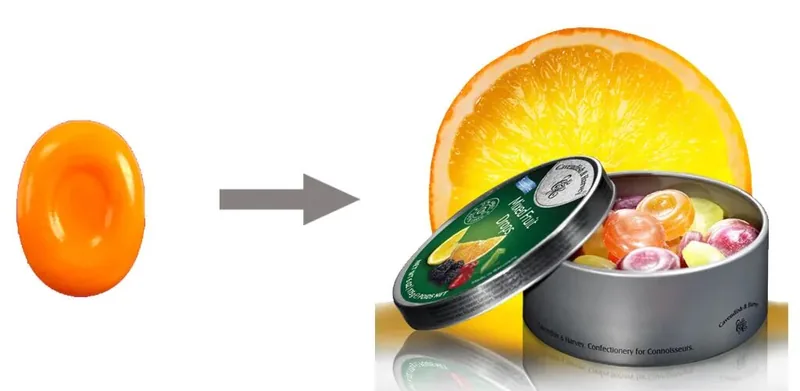
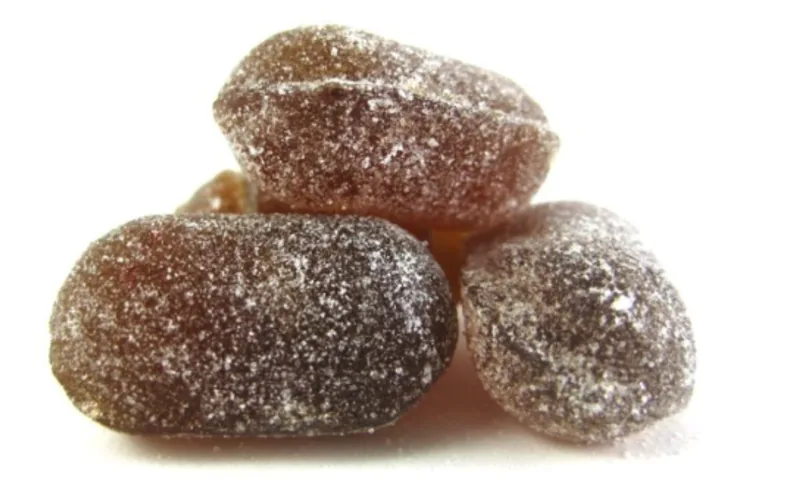
This candy is Cavendish Harvey, a German fruit drop that is also sold in China as an imported treat. It comes in 50 flavors, and the best known is orange, the color shown in the picture.
3. Chocolate lollipops
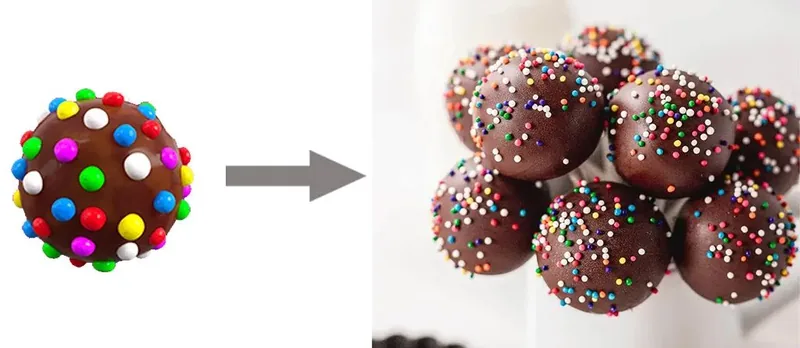
This treat mixes chocolate and candy, and it is simple to make: the chocolate is broken up and shaped into a ball, then coated with candy. Because it is made by combining two things, it also fits the game’s super booster, which is made by combining candies too.
As you can see, these candies all come from real life rather than being made up, which gives older players a very strong sense of familiarity. That raises a question: with so many kinds and varieties of candy out there, why pick these few? We looked up when each of them was popular:
| Candy | Popular in |
|---|---|
| Jelly Belly | 1950s |
| Cavendish Harvey | 1970s |
| Chocolate lollipop | Invented long ago; Popular since 2009 |
One pattern stands out: these candies were popular products from the 1950s and ’60s, and match-3 players are mostly middle-aged and older, so these are mostly treats they loved as children or teenagers. They make the game feel familiar, and they also bring back strong childhood memories.
Halloween and candy
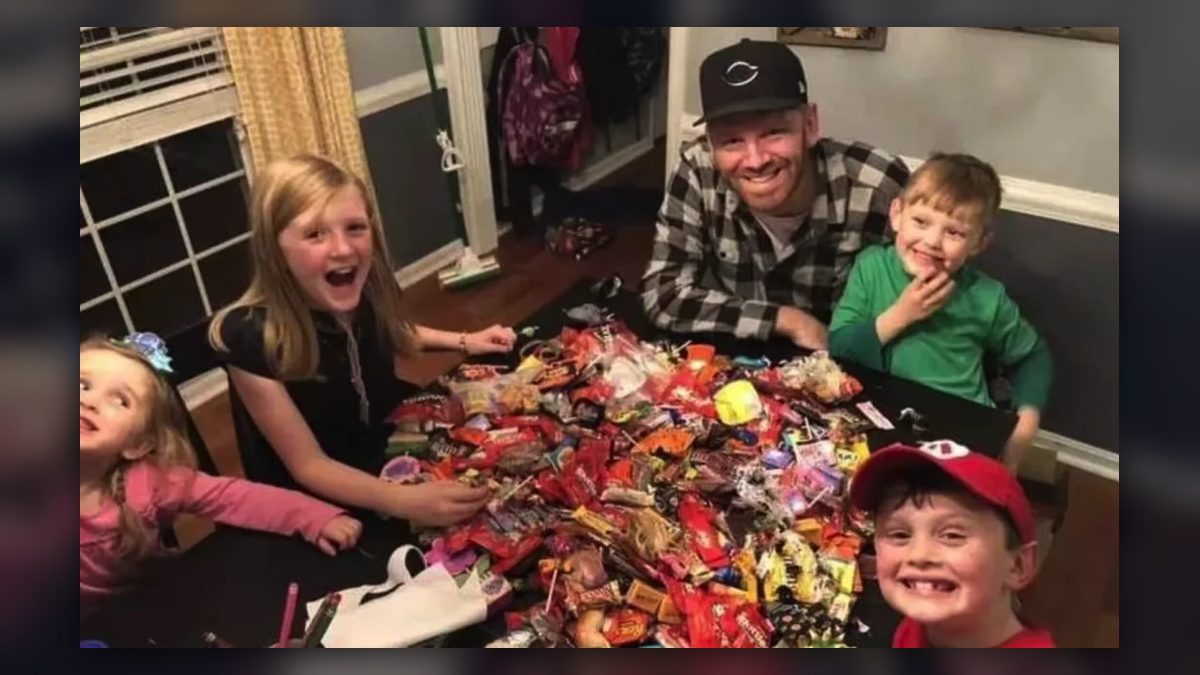
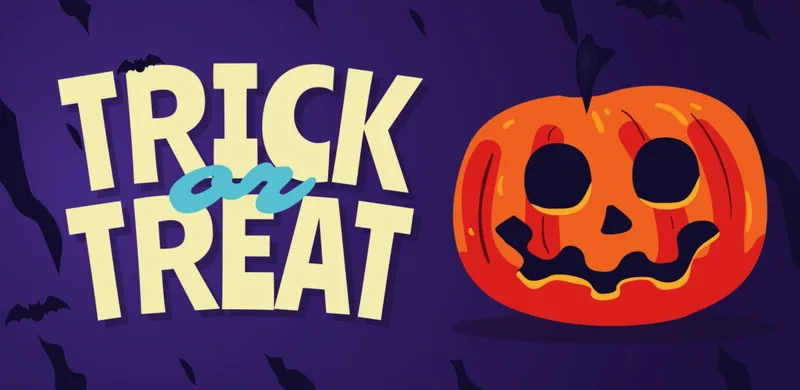
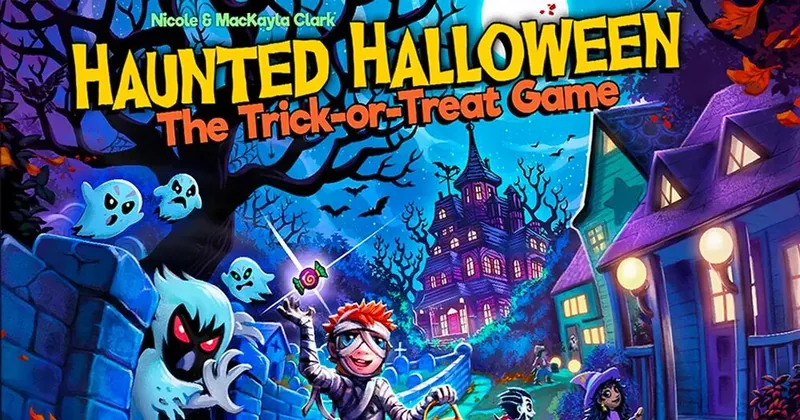
In the US, Halloween is the biggest holiday after Christmas and Easter. On Halloween (October 31) there are usually parades, and children go out for “trick or treat.” Candy prices rise sharply every year in the run-up to Halloween, and Americans buy about 600 million pounds of candy for Halloween each year.
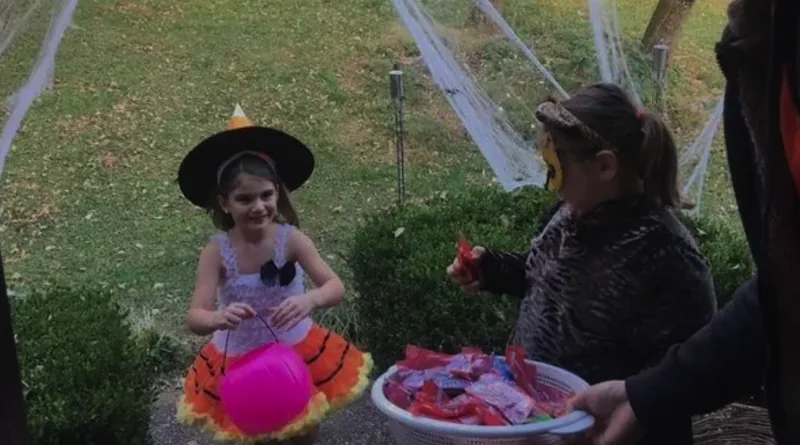
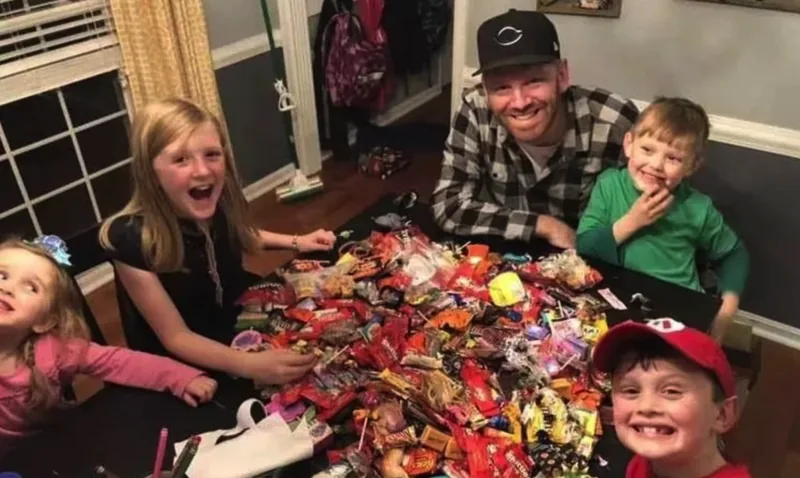
Popular candies change with the times, so here is a look at the Halloween candies that are popular today.
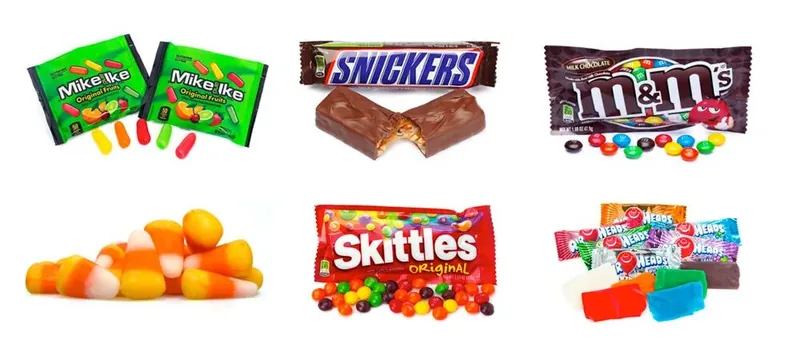
Why do Americans love candy so much?
By one count, the average American eats 22 pounds of candy a year, and children eat far more than that. Candy has clearly become an important part of everyday American life and culture.
Candy’s popularity in the US went through these stages:
1. Before the Middle Ages, candy in Europe mainly satisfied people’s craving for sweets, and it also had some medicinal value.
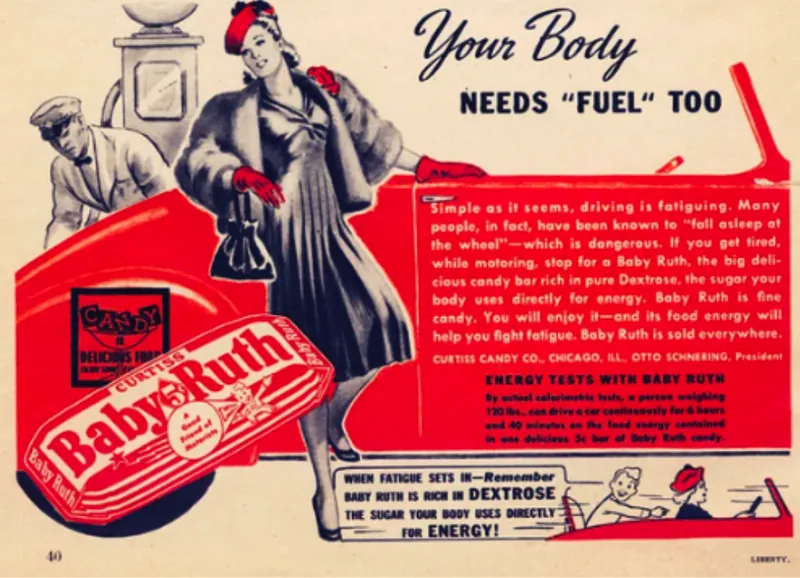
2. During the First World War, candy became part of military rations because it kept for a long time and lifted morale. Many candies were developed specifically for the army, and they later caught on with the general public.
3. In the 1950s, the “trick or treat” Halloween tradition appeared and set off Americans’ love of candy all over again, and it also started the habit of going through huge amounts of candy at every holiday.
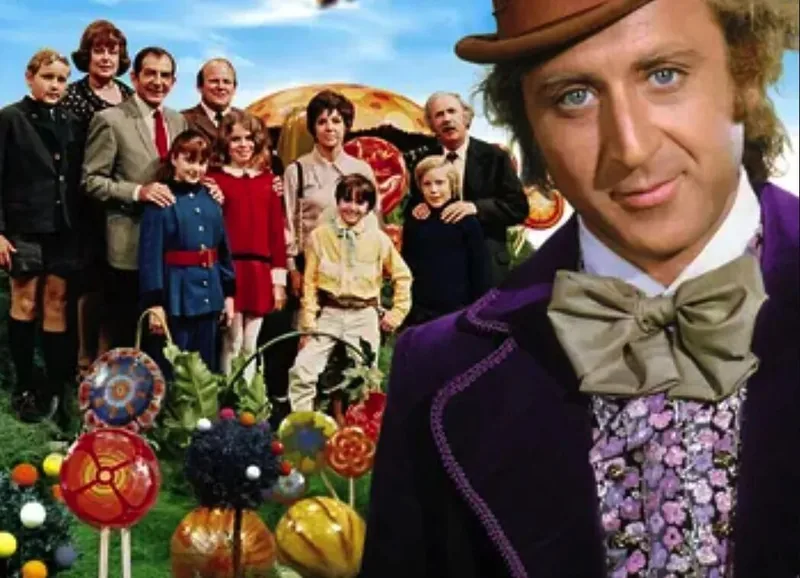
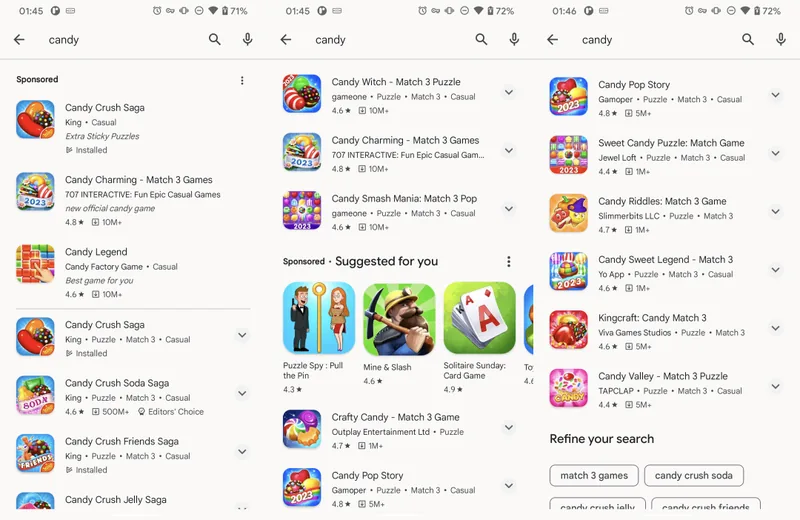
4. Today, candy is part of American culture. It shows up in pop songs and in films such as the musical Willy Wonka and the Chocolate Factory, and plenty of games use candy as their theme.
What this means for games aimed at the US
Candy culture runs deep in the US and has a huge influence there. Our advice to developers on mobile game design:
- Candy works well as a game’s theme, and players connect with it easily. Two things deserve attention, though:
- Take in-game Halloween events seriously: make Halloween a major sales event second only to Christmas, with event content that puts candy and trick-or-treating front and center.
- These days the word “candy” covers more than candy itself and can stand for cakes, chocolate and desserts in general. All of these can serve as a game’s theme, as in dessert-making games or cake-themed bingo games.
That is the story of American candy culture and how games put it to use.