Mobile Game Target Audience: How Gender and Age Shape Design
How the gender and age of a mobile game target audience shape genre, gameplay, goal systems and art, down to why older players like bright colors.
In this article2 sections
The previous article, Greenlighting Makes or Breaks a Game, and the Target Audience Is Half of It (Pitfalls in Developing Games for Global Markets, Part 1), looked closely at what American gamers are like. This one explains how a mobile game target audience shapes which project you greenlight and how you design it.
How gender shapes a game
Gender affects a game in two main areas:
1. Genre and core gameplay
Men and women prefer different genres, so gender has to be factored in when choosing a genre and designing the game.
| Gender | Favorite design elements | Favorite genres |
|---|---|---|
| Male | Competition, destruction, conquest, spatial puzzles, experimentation | Action, shooters |
| Female | Emotion, realism, caregiving, dialogue, learning by example | Management sims, Word games |
Male players have always gone after control and destruction, and they like to prove through competition that they are the best. That goes a long way toward explaining why men have long dominated esports.
The genres women favor show that they like to play someone who belongs to the real world. Even among women who play large online MMORPGs, most pick healer classes. Women’s natural edge over men in language skills also makes them better at crosswords and other word games.
Of course, these genre preferences are not absolute. There is a lot of overlap between the genders, and the list above covers only the larger differences.
2. Mobile game art style
Take two games from the top-grossing chart:
Gardenscapes
RAID: Shadow Legends
Compare a scene from each game:
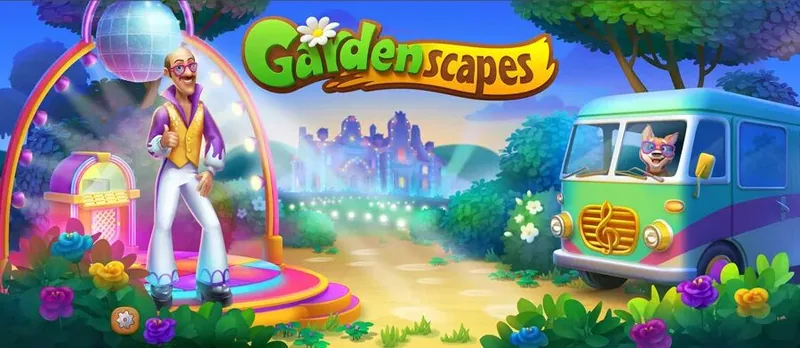
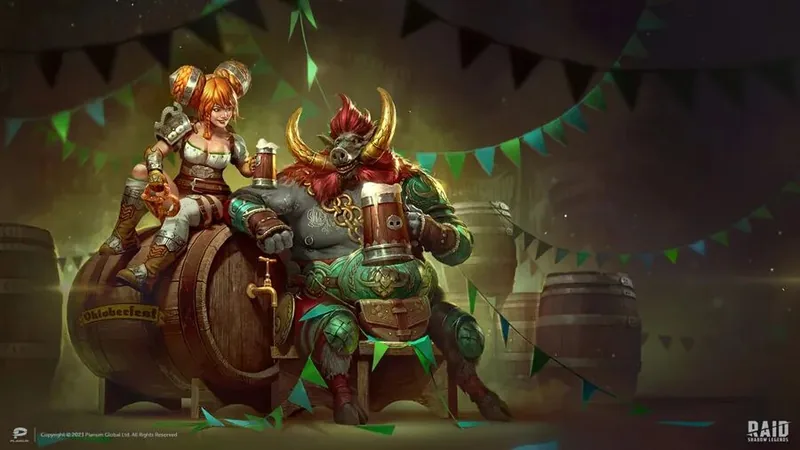
The two scenes show the following:
| Gender | Game | Scene art traits |
|---|---|---|
| Male | RAID: Shadow Legends | Puts the characters front and center, with few elements in the environment. |
| Female | Gardenscapes | Built around atmosphere: many elements, no single focal point, very consistent lighting, strong immersion |
Men are more sensitive to combat and stats, so they expect something from a character’s build: it leaves a visual impression (the character simply looks powerful). The art therefore usually needs little environmental decoration. It stays functional and puts the characters first.
Women care more about emotion and look for an emotional connection. In most games with a mainly female audience, the art uses lighting, elements and color to build an overall atmosphere that draws players into the game and makes them feel something.
How age shapes a game
1. Core gameplay complexity
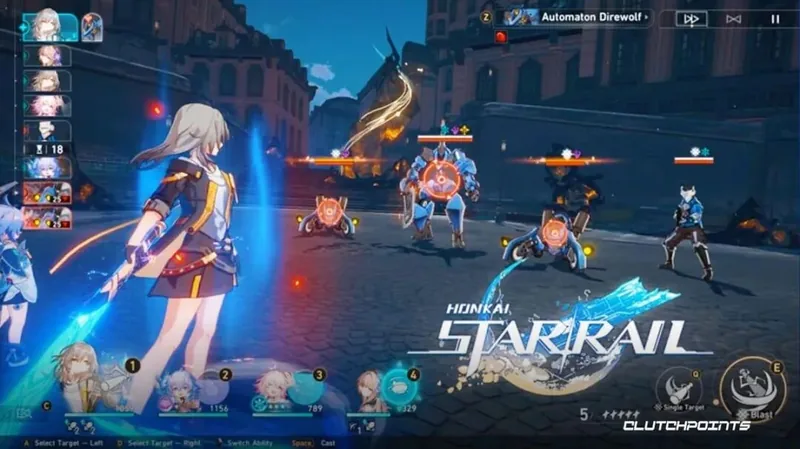
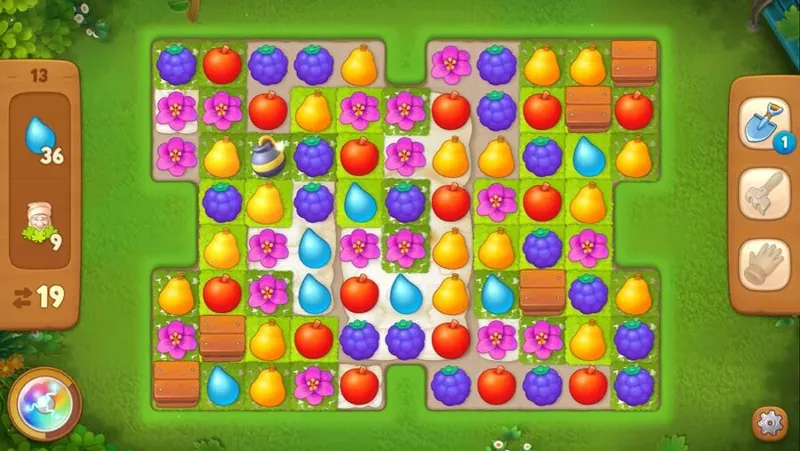
Here is how age changes what players enjoy in core gameplay:
| Player age | Core gameplay traits | Examples |
|---|---|---|
| Younger players | Complex core gameplay with a high degree of control; players want the mix of emotions that comes from combining different mechanics. | MOBA, FPS, anime-style games |
| Middle-aged and older players | Simple core gameplay with staying power; players want the different emotions that come from repeating the same core loop over and over. | Match-3, Word, bingo |
Younger players want freedom, excitement and a sense of fulfillment from a game. So the core gameplay should give them plenty of freedom, let them feel the thrill through their own inputs and leave them emotionally satisfied.
Middle-aged and older players play to pass the time and exercise their brains. In core gameplay they lean toward something with a bit of puzzle to it, enough to keep the mind working without getting too complicated.
2. Goal system complexity
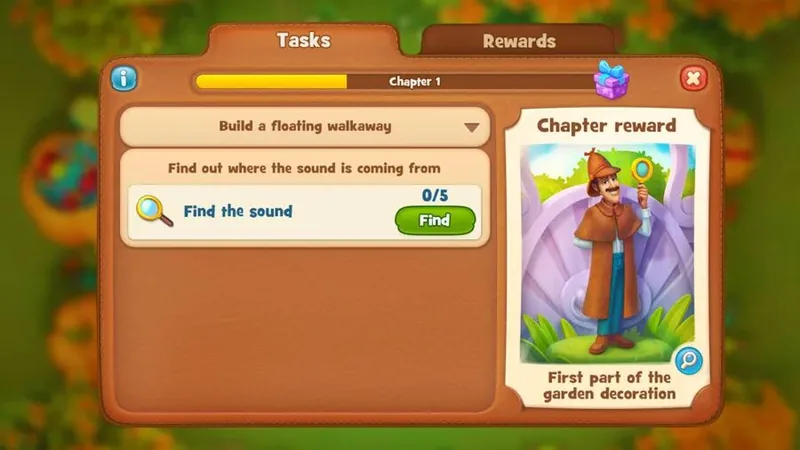
Here is how system design differs:
| Player age | Goal system design | Examples |
|---|---|---|
| Younger players | Daily tasks, events, challenges and other side systems have some complexity, and some tasks are deliberately built so players have to explore and discover things to finish them, which makes players feel more involved. | The Chinju Forest challenge to collect Electro particles in Genshin Impact |
| Middle-aged and older players | Tasks are simple and clear: nothing to claim, nothing to explore. They start automatically, and a reward screen pops up once they are done. | Tasks in Gardenscapes |
As with core gameplay, younger players want freedom and exploration in a game, so challenges with a fair amount of exploration actually fire them up.
Middle-aged and older players think more slowly, so when a game’s design is too complex or asks for too much exploration, they often can’t figure it out and end up giving up on the game.
3. Time online and feature design
The previous article noted that many American players spend more than 42 hours a week online and often play more than 10 hours a day on weekends.
Middle-aged and older players are online six hours or more a day, and often 10–12 hours a day on weekends.
Happy Color, a leading coloring game, has an average time online of 4 hours 52 minutes. With that average, it is no surprise that many players are online for more than six hours.
For game developers, this leads to one takeaway:
For games aimed at middle-aged and older players, or where they make up most of the audience, you can build puzzle modes that take a long time, such as jigsaws and coloring. Don’t aim for a fast pace: these players have plenty of time and don’t need a fast rhythm.
Also, idle features meant to help players who only have short bursts of free time do little in games for older players, because they are online all the time anyway.
4. Art
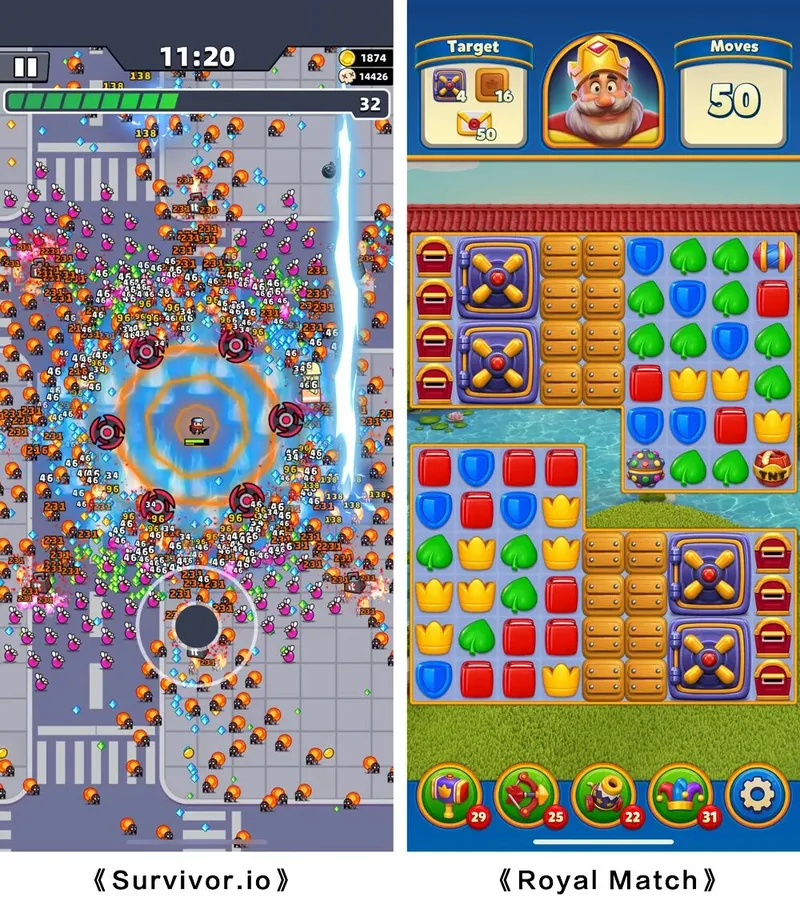
Comparing the two styles:
| Player age | Art traits | Example |
|---|---|---|
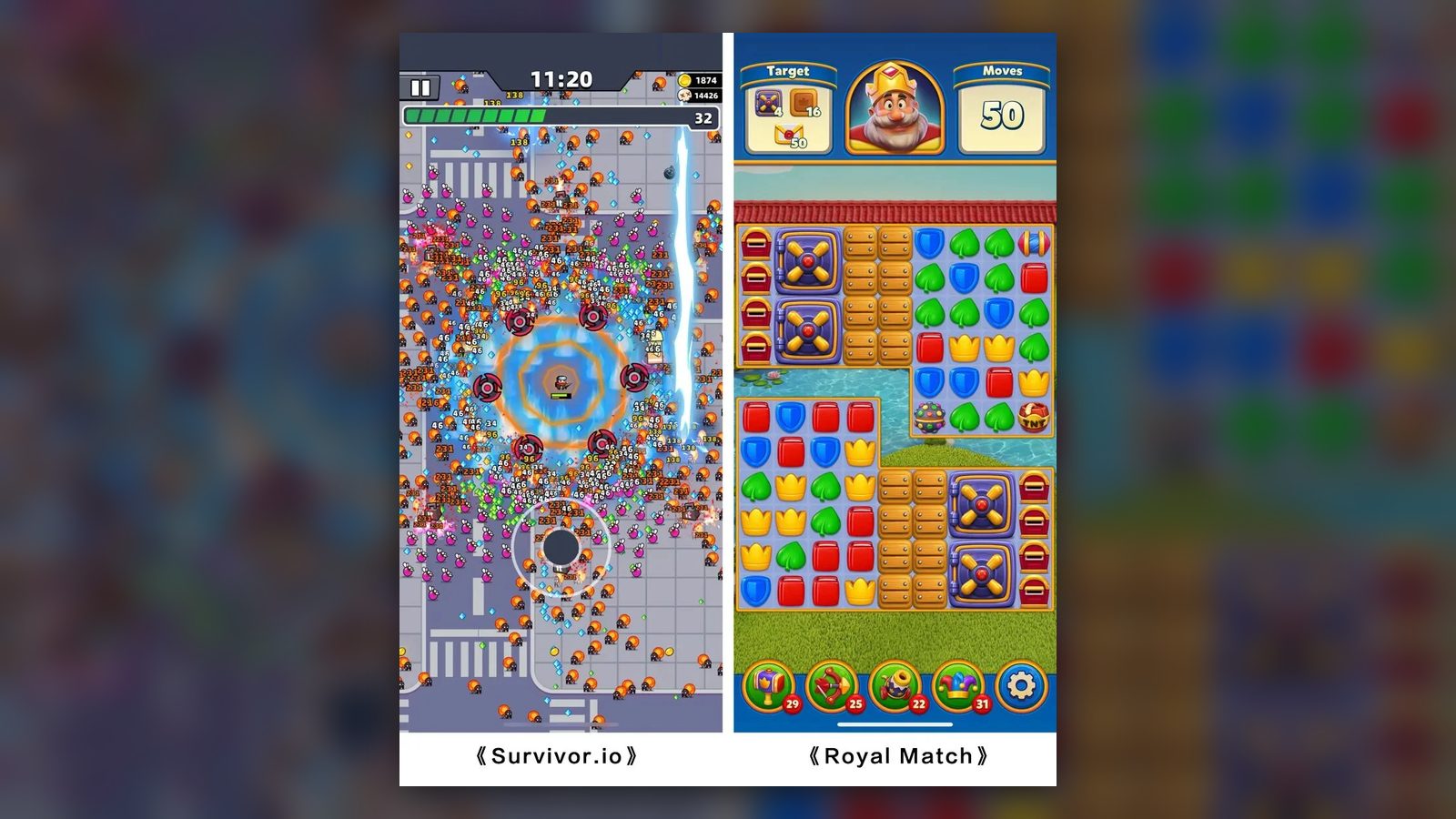
| Younger players | Low saturation, low brightness and contrast. | Survivor.io |
| Middle-aged and older players | High saturation, high brightness, high contrast. | Royal Match |
In art, younger players care mostly about personality and good looks, and they are quite open to new things. They also tend to dislike loud, flashy designs, which strike them as tacky and hard on the eyes, so these games generally keep saturation and brightness low.
With age, the eyesight of middle-aged and older players has declined to some degree, so they need game visuals that are clear and easy to make out. What looks glaring to younger people looks just right to them. People also like brighter colors the older they get, and that holds all over the world, so the colors older players like are vivid and intense. That explains the very high saturation and brightness of these games.
Mobile game demographics include other traits as well, such as education level and hobbies, that may affect game design, but there is little data to go on and their effect is relatively small, so they are left out here.
If anything here falls short or you see it differently, other views are welcome.