Why Casual Games Have Stories: 5 Mobile Game Design Themes
Why casual games for US players come with a story, and the five worlds mobile game design keeps returning to, from Bingo Blitz vacations to dragons.
In this article3 sections
Plenty of casual games wrap simple play in a story: a love story, a princess to rescue, a world full of dragons. Casual games are one of the biggest categories in the global mobile market and have made plenty of games successful, but competition keeps getting fiercer, and standing out is now the central problem. This article looks at that problem from one angle of mobile game design, the story world a game is set in, and at how it can make a game more competitive. It covers three questions:
- Do casual games need a story world?
- The key factors behind story worlds in US casual games.
- The story worlds US casual games use most.
Do casual games need a story world?
Story worlds mostly show up in deeper, more demanding games such as strategy games and RPGs, where they set the era a game takes place in and shape how it plays. Rise of Civilizations, for example, is set in the era of ancient civilizations, and players build a powerful nation rooted in that era. The setting, the gameplay and the goal all come from it, and the world ties them together from start to finish.
Casual games mostly have simple gameplay and very few systems, so most developers skip the story world. We strongly recommend one anyway, especially for a casual game aimed at the US market. The reasons:
- The US game market is fiercely competitive, and a story world gives a game some distance from the others. Dreamdale adds a storyline about rescuing a princess, which gives a natural reason for everything that follows in its idle-style loop: building, expanding the island, upgrading and so on.
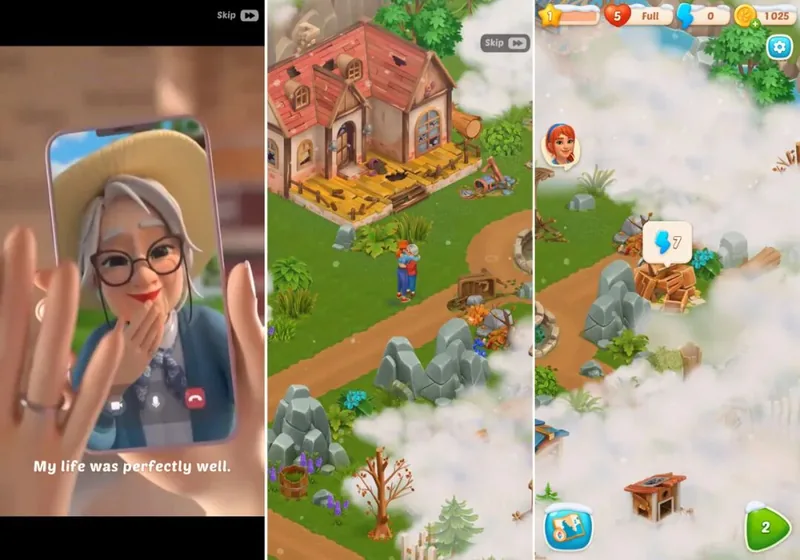
- Women make up a large share of casual players, and they value emotional connection; a story helps players feel part of the game. Fiona’s Farm, a tap-to-clear puzzle game, adds a love story and the exploration of a father’s memories.
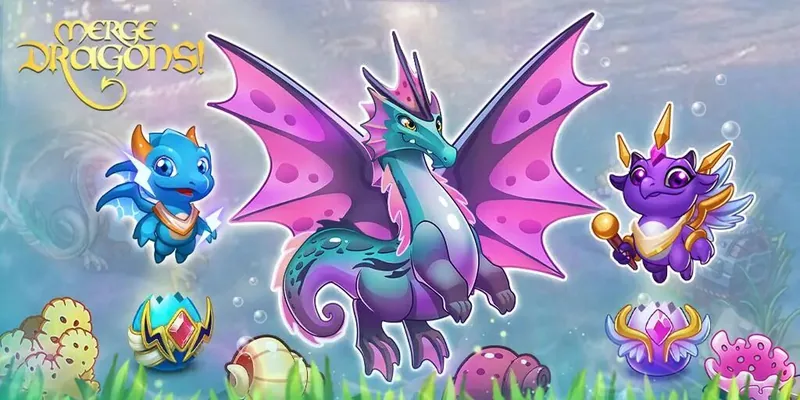
- It keeps the art style consistent. In Merge Dragons!, the dragons alone mean the game has to take place in an invented fantasy world, so every character and icon needs that same quality. The whole game stays consistent, and players grasp it easily.
Key factors for story worlds in US casual games
The idea starts from the everyday meaning of a worldview: a person’s overall view of the world and of how people relate to it. Put simply, it is what you think the world is like, and also what you think it “should” be like.
For a game, the story world has to be built around the country the game launches in and the kind of people who play it there. Otherwise it does nothing for the game, and it can even confuse players and get in the way of promoting it. Two things to consider:
- American culture. The United States is a young country. It never went through a feudal era and went straight to a capitalist society, so Americans see the world very differently from people in Asia. The difference shows mainly in these areas:
- Who the players are. As we have pointed out many times, middle-aged and older players make up a large share of the US casual audience, so a story world has to take their lives and what they look for into account.
The story worlds US casual games use most
Taken together with market research, the points above show that US casual players are most drawn to romance, relationships between parents and children, family disputes and conflict, adventure and treasure hunting, puzzle solving, running a business and the like. These are the story worlds casual games use most often:
- A family traveling and vacationing together, with the focus on family warmth, as in Bingo Blitz.
- Rebuilding and restoring, and remembering the good times, as in Homescapes and similar games.
- Adventure and survival, as in Merge Gardens and Family Island.
- Rescuing family members, as in Dreamdale.
- Storylines and worlds built around dragons and pets of all kinds, as in Merge Dragons!
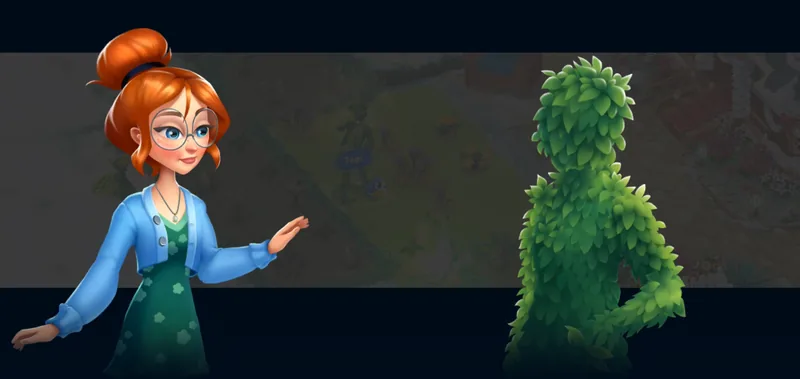
These are broad descriptions, each covering a type of story world rather than any one game, and they sit mostly at the level of plot and story. A game’s world takes shape when its storyline is paired with the game’s look and packaging.
That covers the common story worlds in US casual games.